Welcome back to the Mets Beat newsletter! Anthony DiComo has covered the Mets for MLB.com since 2007, including the past 17 seasons full-time on the beat. |
|
|
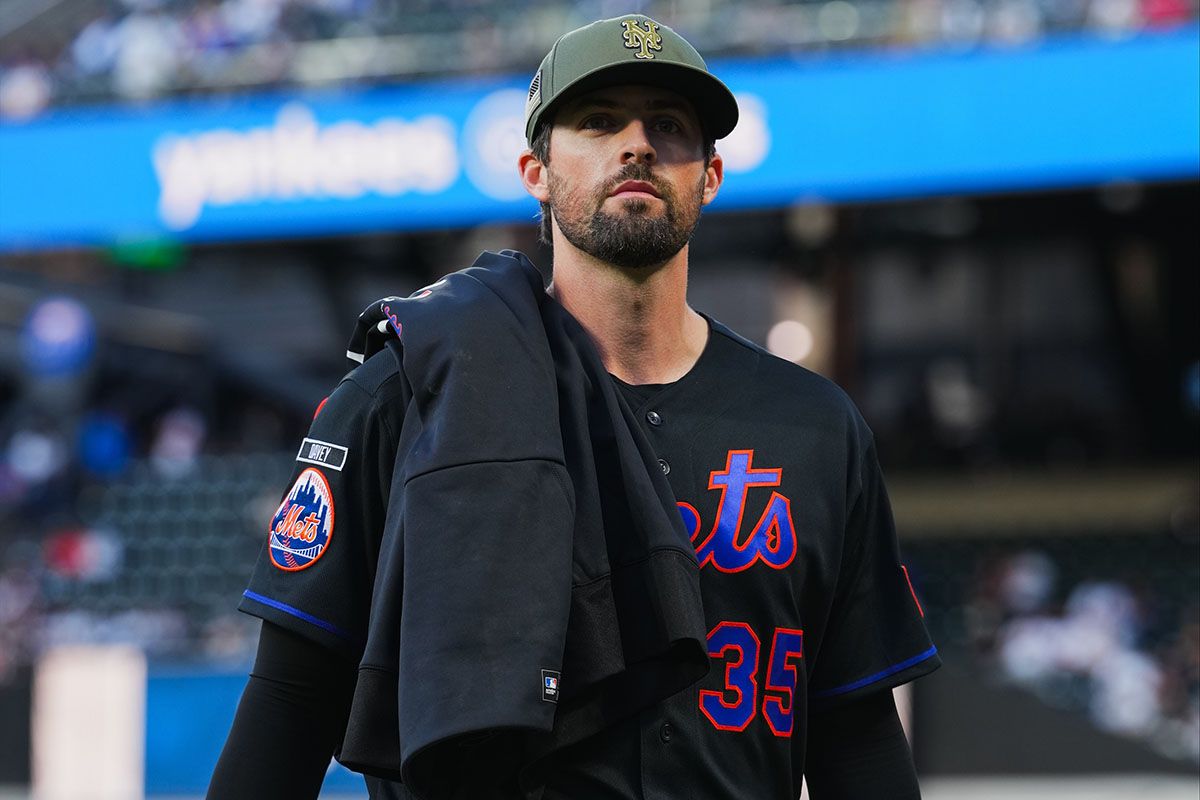
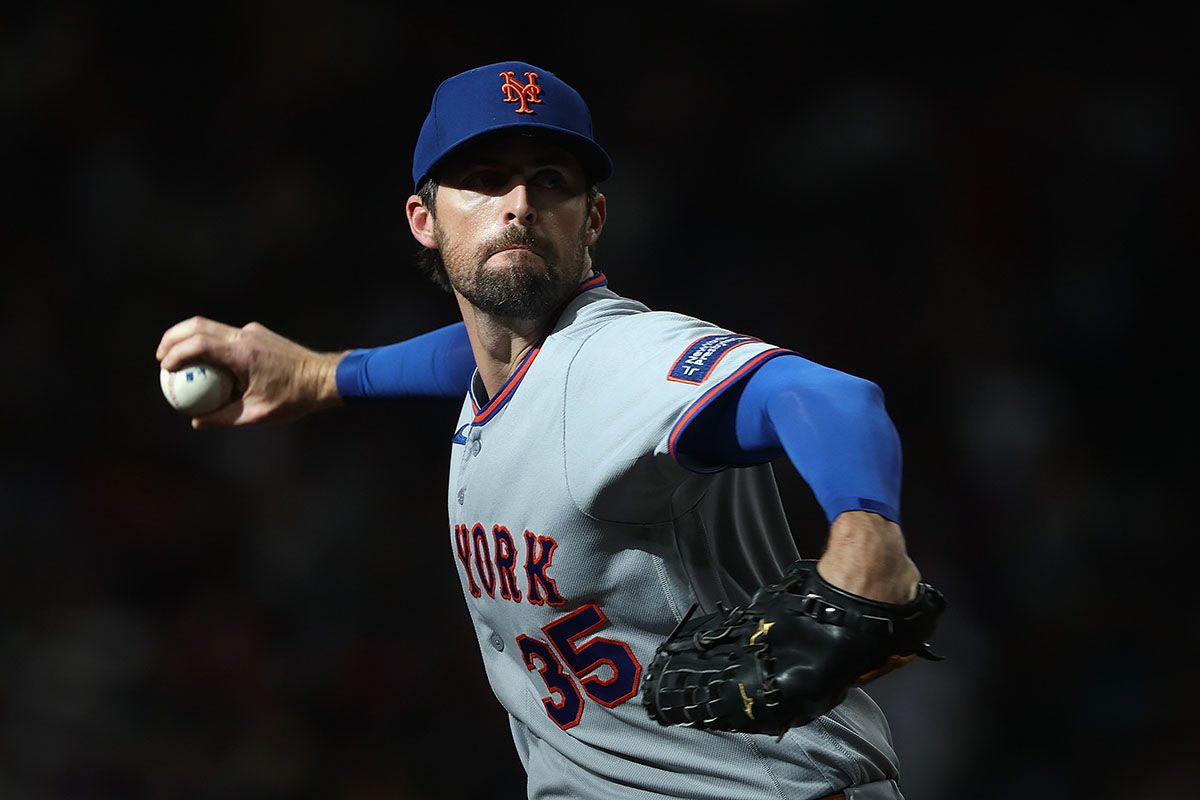
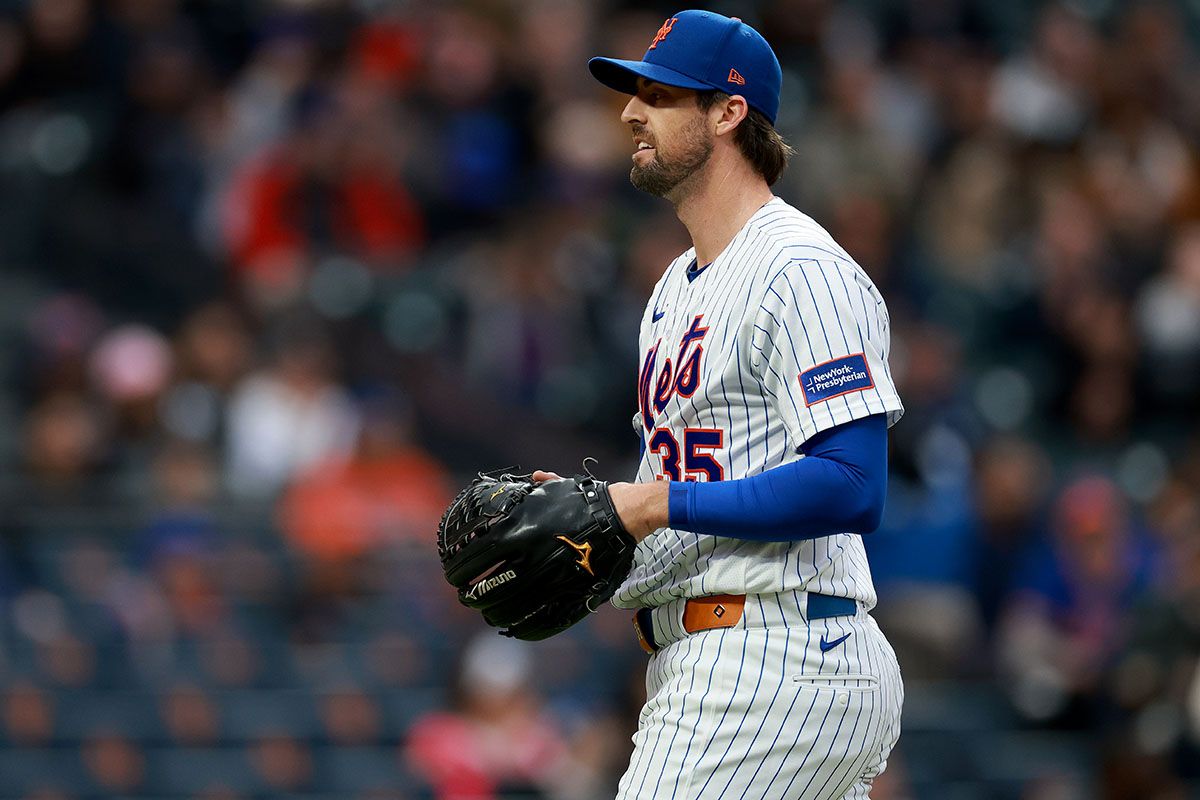
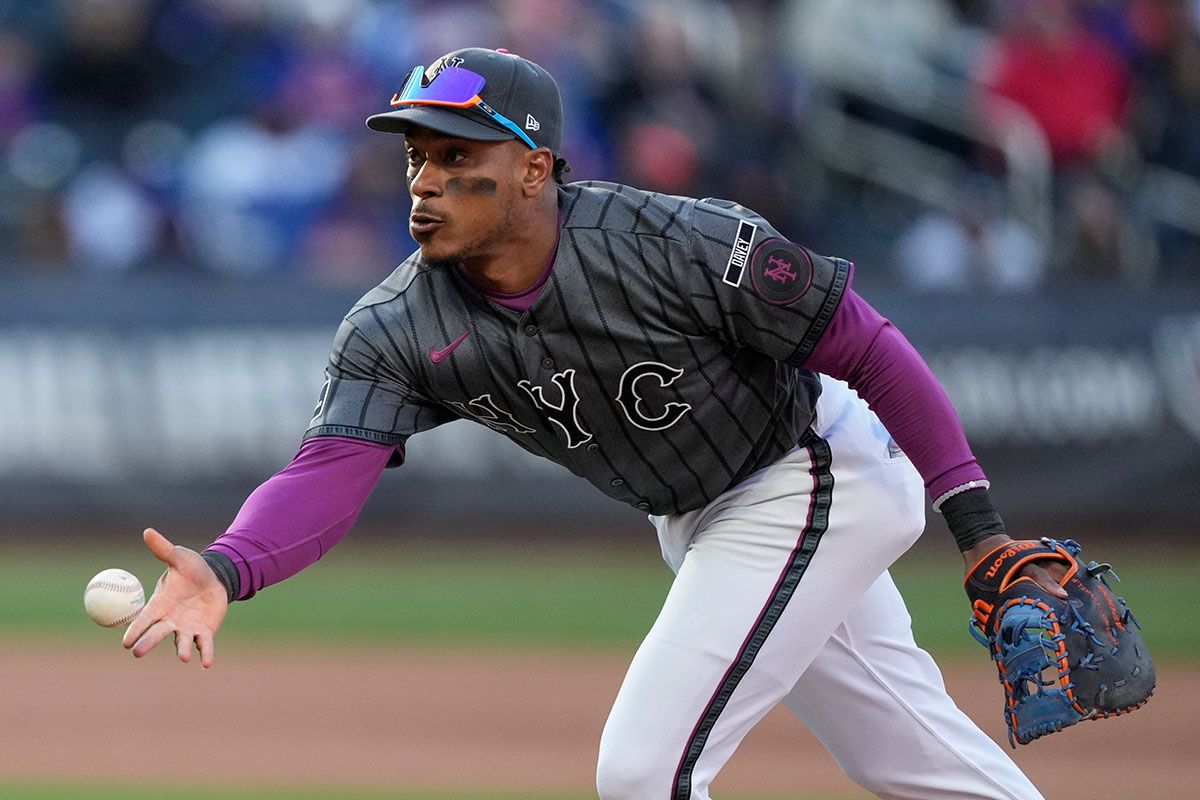
NEW YORK -- When Juan Soto strained his left calf in early April, the mood around the Mets’ clubhouse was gloomy but optimistic. Soto figured to be back before long, and the Mets had so much season left to play. When Francisco Lindor strained his own right calf muscle later that month, the situation still felt reasonable. Even when Lindor’s backup, Ronny Mauricio, broke his left thumb sliding into first base, the Mets felt decently covered given Bo Bichette’s ability to fill in at the position. They knew they had enough depth to deal with injuries to Jorge Polanco, to Luis Robert Jr., even to Francisco Alvarez. But Clay Holmes? That one reached a new level. “We felt it -- not going to lie,” Mets manager Carlos Mendoza said. “We’ve been hit a lot this year with a lot of our superstars, with a lot of key players. But [Holmes] felt different.” |
Holmes felt different because in the seven weeks before he fractured his right fibula on a Spencer Jones comebacker, he had established himself as a bona fide ace. As far as rotation arms go, Nolan McLean might have featured better stuff. Freddy Peralta might have come with more hype. But Holmes was clearly the Mets’ most consistent starter and their best bet to pitch into the seventh inning on any given day. Even as nearly half their starting lineup landed on the injured list, the Mets maintained hope due to their confidence in their pitching staff. Holmes was the biggest part of that. Now he’s on the IL as well, sidelined for at least the next two months, and quite possibly longer, as he waits for his leg to heal. A day after Holmes cracked his fibula, Luke Weaver and the Mets boosted their collective mood with an uplifting Subway Series win. They’ve been playing better baseball overall for the last two-plus weeks. But that type of success will be difficult to maintain without Holmes serving as a stabilizing force, and they know it. “I feel like every team goes through it in some capacity,” Holmes said of the Mets’ injury woes. “It’s easy to say it’s a part of the game, but when they pile up at once, it can be tough. Your depth is tested. You know to win in a 162-game season, you have to have depth. We’ll see what we have right now.” |
Holmes’ injury may have been a freak accident, but even before it happened, president of baseball operations David Stearns suggested the Mets will need to review their offseason processes. The idea is that the team may have underestimated the amount of risk it accepted by acquiring players like Polanco and Robert, who came to the Mets with long injury histories. That, though, is a task for another day; right now, the Mets’ job is to figure out how to win with a broken roster. It won’t be easy, especially considering how far back in the National League standings the Mets already are. But as Lindor noted, there’s little point in fretting about an uncertain future.
“We’ve just got to play,” Lindor said, “and see where we are at the end of the year.” |
|
|
MLB MORNING LINEUP PODCAST |
JORGE POLANCO, WHERE ART THOU? |
Among the more concerning of the Mets’ injuries -- and it’s not a short list -- is the left Achilles bursitis that has afflicted Polanco since March. On Sunday, Mendoza acknowledged that this issue is not going to go away; Polanco must either figure out how to tolerate the discomfort while playing or be “shut down for a long period of time.” That’s not exactly what the Mets envisioned when they signed Polanco to a two-year, $40 million contract in December, viewing him as a major part of their Pete Alonso replacement plan. Polanco will travel with the Mets this week to Washington, where he will continue his daily routine of baseball activities. The Mets intend to get aggressive with Polanco’s running program soon, to see if he can handle it. If he can, perhaps a Minor League rehab assignment will be on tap. If he can’t, his absence may become even more extended than it already is. “I don’t know if anyone’s 100 percent,” Mendoza said when asked about Polanco potentially playing through pain. “But yeah, in this particular case, he’s going to be feeling it. He will continue to get treatment and hopefully it goes away, but it’s probably something that he’s going to have to manage.” |
|
|
Who is the only Mets pitcher to throw a complete game at Nationals Park? A) Jacob deGrom
B) R.A. Dickey
C) Dillon Gee
D) Tylor Megill |
|
|
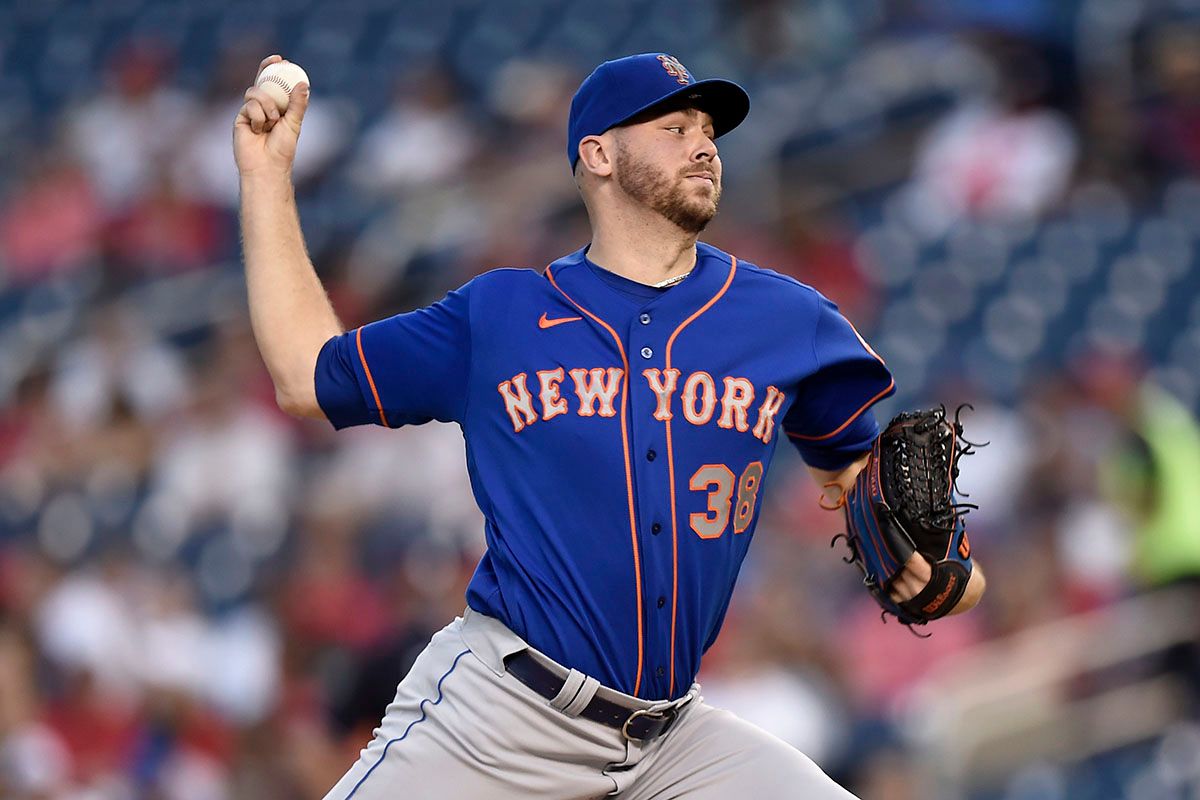
D) Megill Bit of a trick question here. Megill threw a complete game in the nightcap of a doubleheader on Sept. 4, 2021. Because doubleheader games were only seven innings in the first full season back from the pandemic, and because the Mets lost on the road that night, Megill only needed to pitch six innings for his first career CG. |
|
|
FORWARDED FROM A FRIEND? SUBSCRIBE NOW |
|
|
To subscribe to Mets Beat, visit this page and mark "Mets Beat" from our newsletter list. Make sure you're following the Mets or that they're checked as your favorite team. |
|
|
© 2026 MLB Advanced Media, L.P. MLB trademarks and copyrights are used with permission of Major League Baseball. Visit MLB.com. Any other marks used herein are trademarks of their respective owners.
Please review our Privacy Policy.
You (mlb-newsletters@mlb.com) received this message because you registered to receive commercial email messages or purchased a ticket from MLB.
Please add info@marketing.mlbemail.com to your address book to ensure our messages reach your inbox. If you no longer wish to receive commercial email messages from MLB.com, please unsubscribe or log in and manage your email subscriptions.
Postal Address: MLB.com, c/o MLB Advanced Media, L.P., 1271 Avenue of the Americas, New York, NY 10020.
|
|
|
|