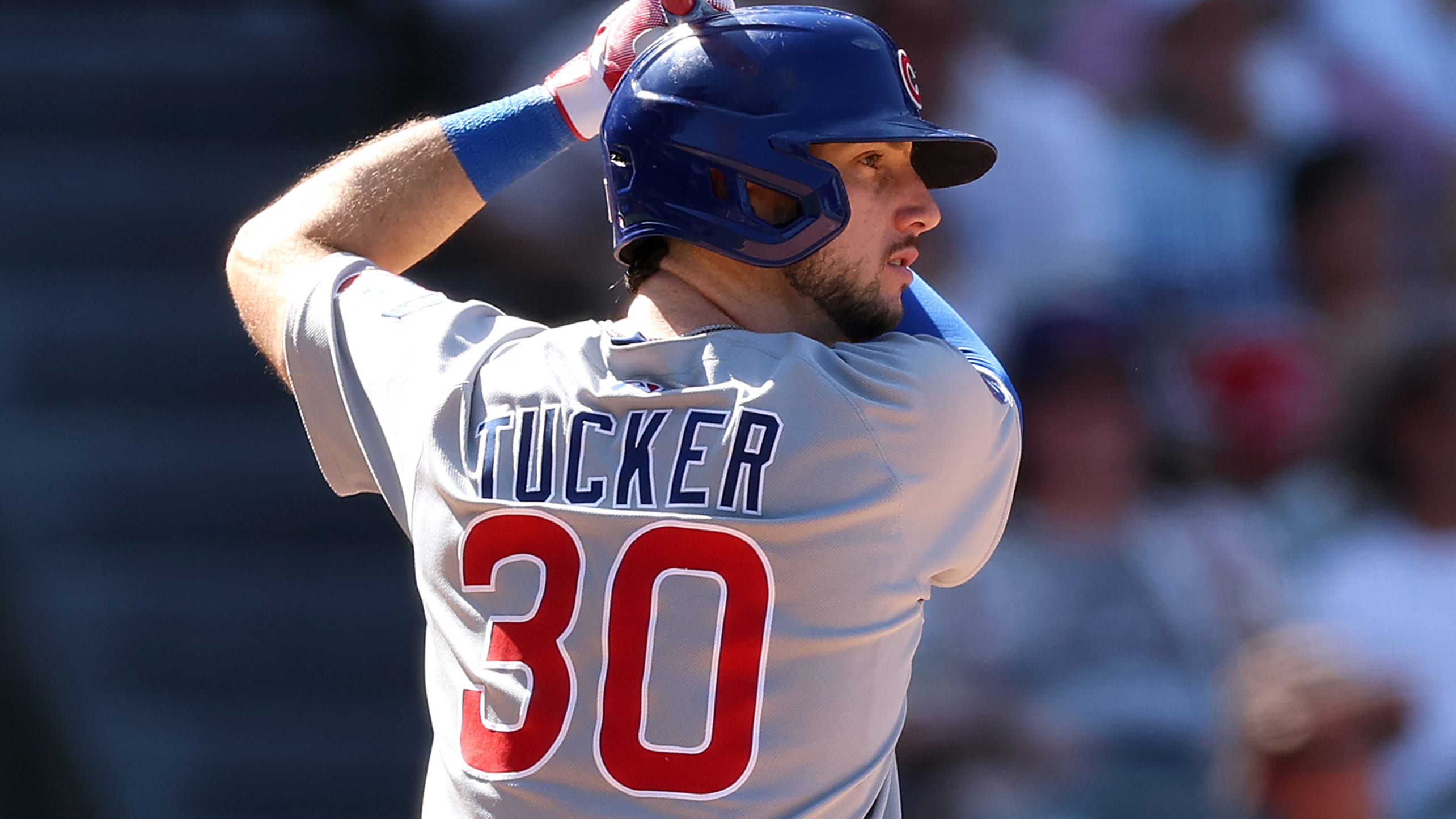
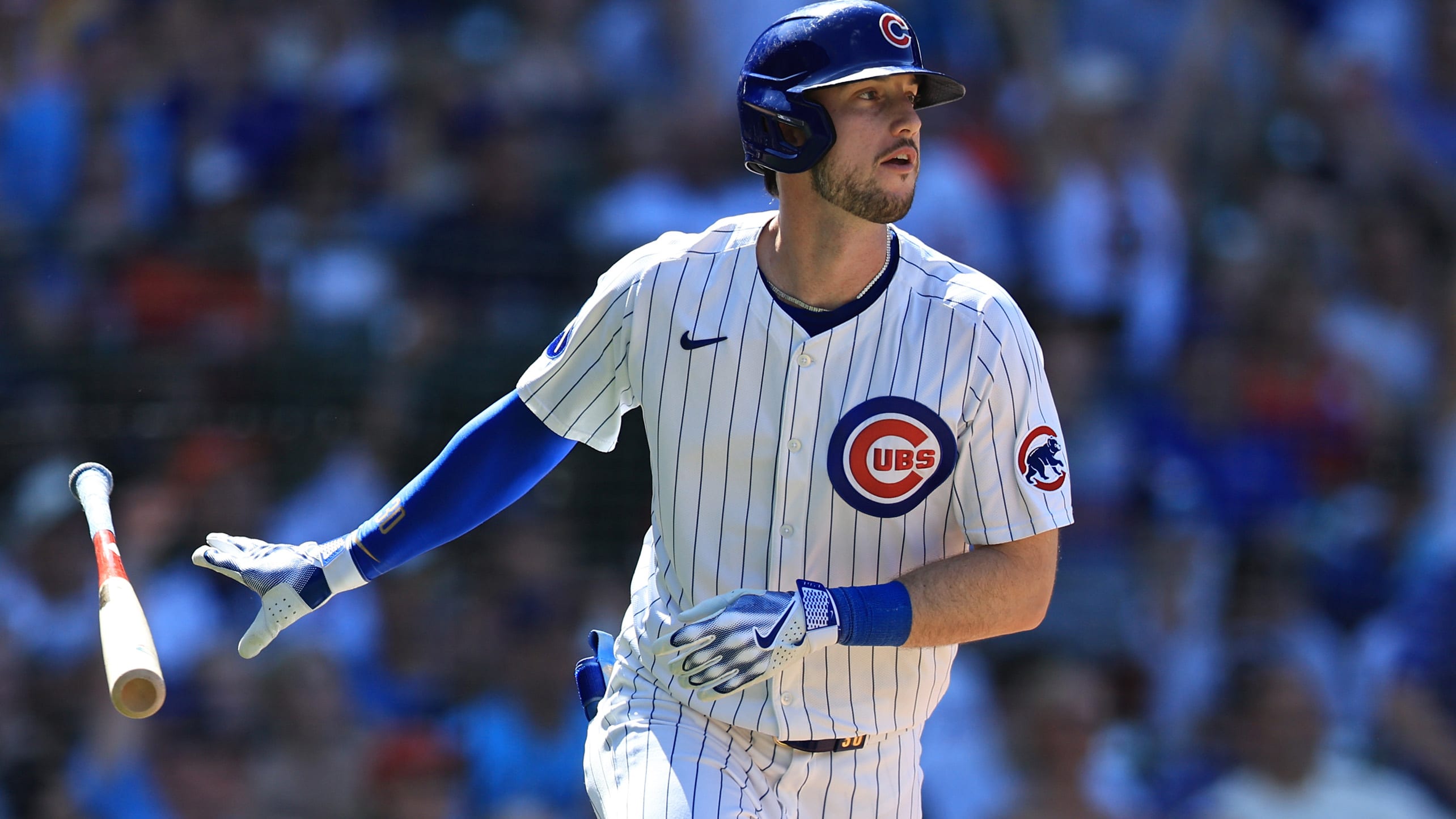
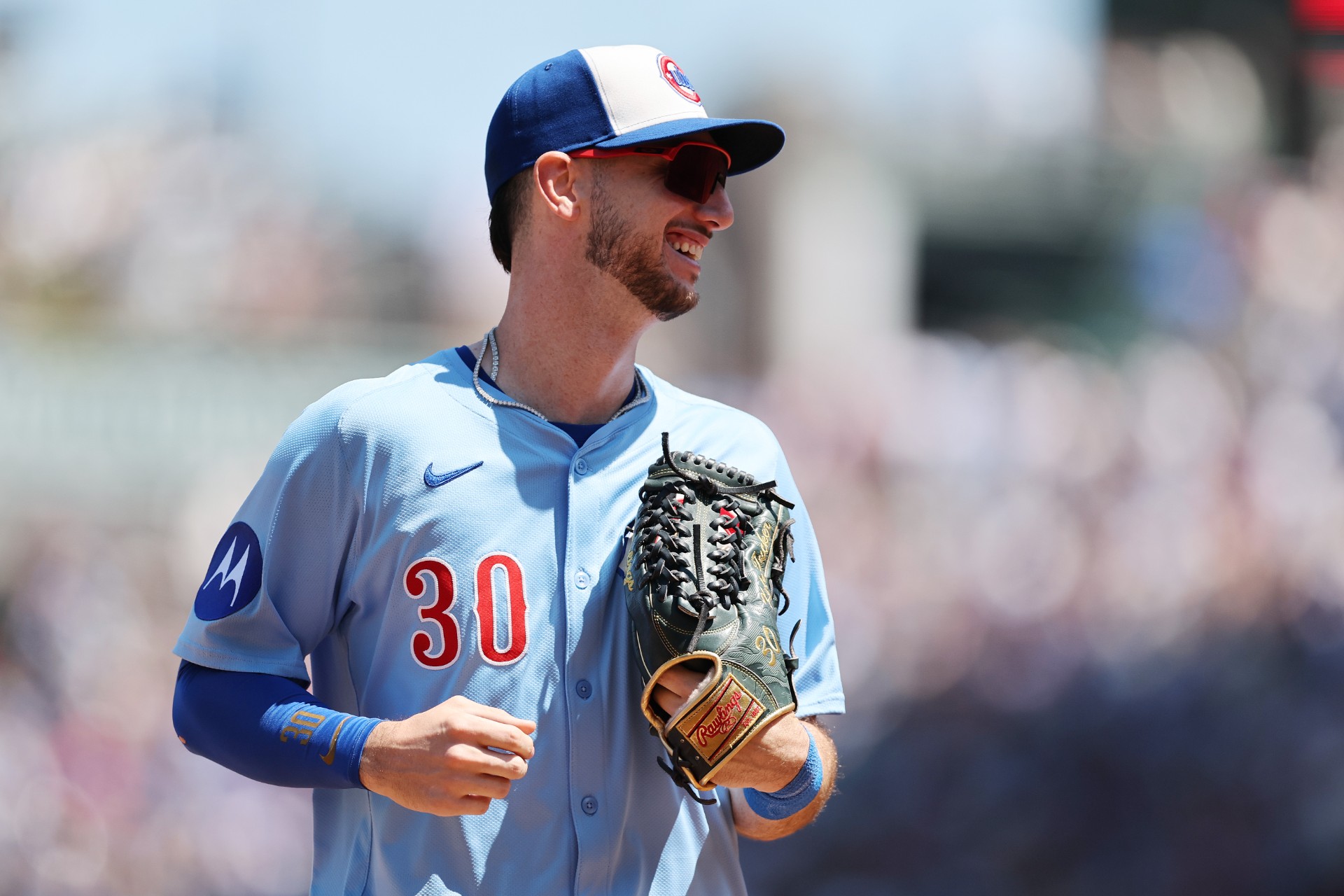
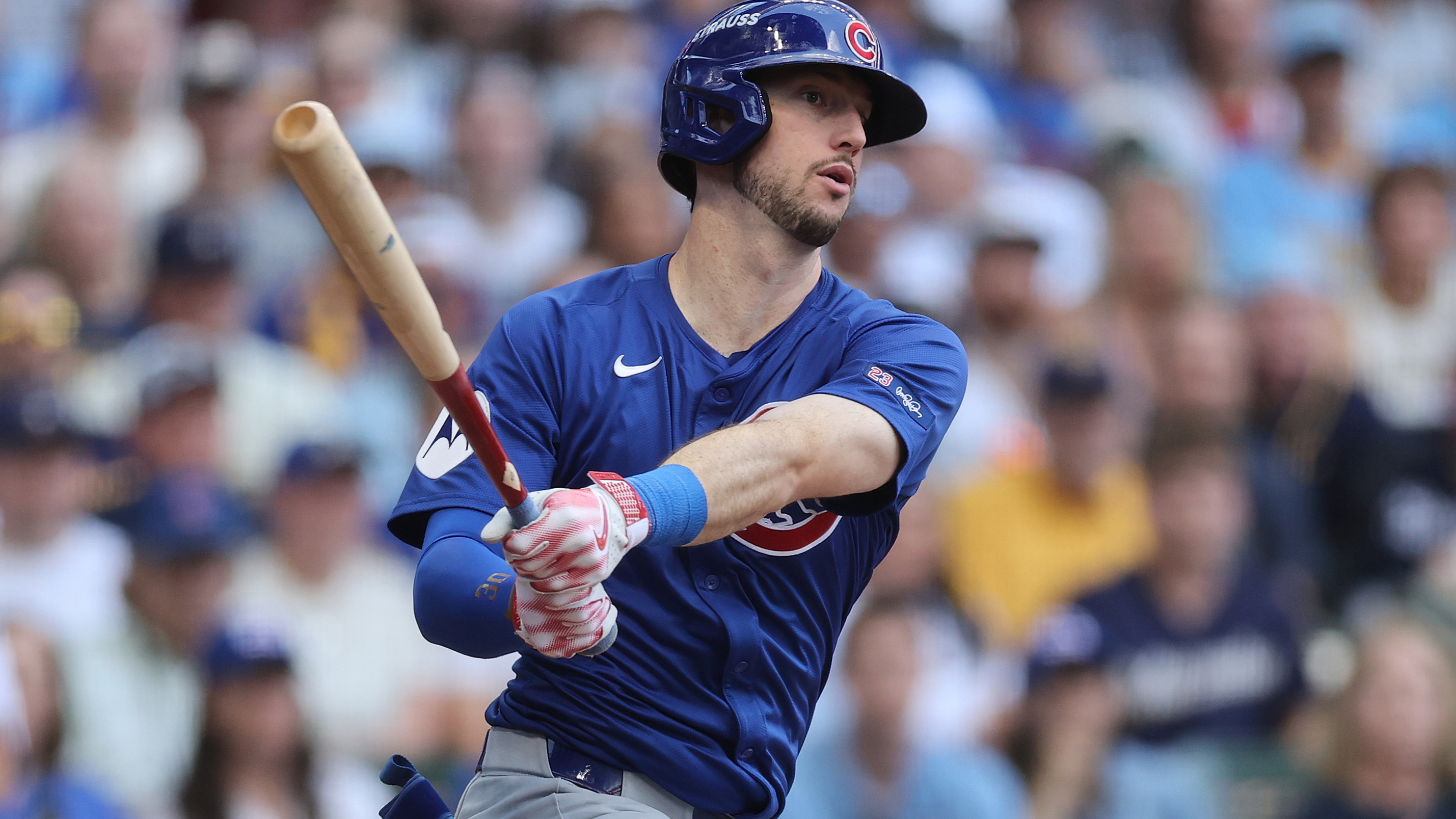
TORONTO -- The Blue Jays’ offseason won’t feel final until Kyle Tucker signs … wherever he signs. Without Tucker, Toronto has still put together a remarkable offseason, landing Dylan Cease, Kazuma Okamoto, Cody Ponce and Tyler Rogers, with more to come. Tucker would represent the knockout punch, though, and while the Blue Jays remain involved in his market, this isn’t going away until the 28-year-old decides it does. While Bo Bichette remains an option for the Blue Jays at the right number, their recent addition of Okamoto to the infield shifts the likelihood towards Tucker, especially with Bichette reportedly set to meet with the Phillies soon. Tucker’s market has played out just as slowly, with some clubs hoping for an openness to a shorter-term deal at a higher annual value, but Toronto is well positioned to go long. There’s nothing complicated about fit when it comes to players at the top of the market. Tucker fits the Blue Jays because he’s a very good baseball player, just like George Springer did back when Toronto made him a cornerstone signing five years ago. Looking beyond the obvious, though, we can see the challenges the Blue Jays face … and why it’s all worthwhile. |
Money matters: Right now The Blue Jays are spending at record levels for this organization, emboldened by their World Series run and all of the profits that came with it. They’ll have one of the highest payrolls in Major League Baseball this season, which brings us to everyone’s favorite topic, the Competitive Balance Tax. The basics, as they apply to the Blue Jays, are: - Following the Okamoto deal, Toronto’s CBT payroll is just over $300 million.
- This is the second consecutive season the Blue Jays will go over the CBT threshold ($244 million), which means there will be a 30% tax on every dollar they spend above that threshold.
- Teams that spend more than $60 million above the threshold (meaning $304 million) are taxed an additional 60% surcharge.
The result? Signing Tucker -- or any top free agent from here -- will cost the Blue Jays much more than just that player’s salary in 2026. It’s an oversimplification to call that a 90% tax on Tucker’s salary alone, though. This payroll is an accumulation of the entire roster, which the Blue Jays have built into a legitimate World Series threat and have done so without a true albatross contract on the books. Sure, Anthony Santander’s deal isn’t off to a flying start, but they aren’t sinking $40 million a year into him. |
Money matters: Down the road The Blue Jays have a handful of big contracts coming off their books a year from now, which includes: - George Springer ($24,166,667 in 2026)
- Kevin Gausman ($23,000,000)
- Shane Bieber ($16,000,000)
- Daulton Varsho ($10,750,000)
- José Berríos* (potential player opt-out, 2027-28 remain)
This is the key moment in any conversation about money. Yes, the Blue Jays would be hit hard by the CBT in 2026, but there’s an opportunity to soften that a year from now, if needed. This is also where player development comes in, more important than ever. To balance out this top-end spending, the Blue Jays will need to develop some contributors internally. If Trey Yesavage can pitch like a No. 2 behind Cease for the next five years, that’s an incredible advantage not only on the diamond, but in the spreadsheets. Even development stories like Braydon Fisher are crucial, giving Toronto a legitimate MLB reliever without spending $10 million on a veteran. It’s easy to look at the Blue Jays’ books and say, “Trade Santander, trade Berríos.” This isn’t a video game, though, and this organization is not at all eager to part with a prospect in order to make a deal work. Savvy financial planning with some development success stories is the answer here. |
The future of the outfield The Blue Jays have done well enough acquiring outfielders like Springer, Varsho and Teoscar Hernández over the years. They’ve nailed some later-career development in players like Nathan Lukes, too, but it’s been ages since this organization drafted and developed a star outfielder, stretching all the way back to Vernon Wells. Dollars aside, the Blue Jays’ outfield needs another cornerstone, especially with two on their way out in Springer and potentially Varsho. The upgrade to Tucker in 2026 would be noticeable, but in 2027 and beyond, that grows even more valuable. The money needs to work, which is no simple thing, but the Blue Jays are still in Tucker’s market for a reason, trying to land the whale after a winter of reeling in big fish. |
|
|
MLB MORNING LINEUP PODCAST |
|
|
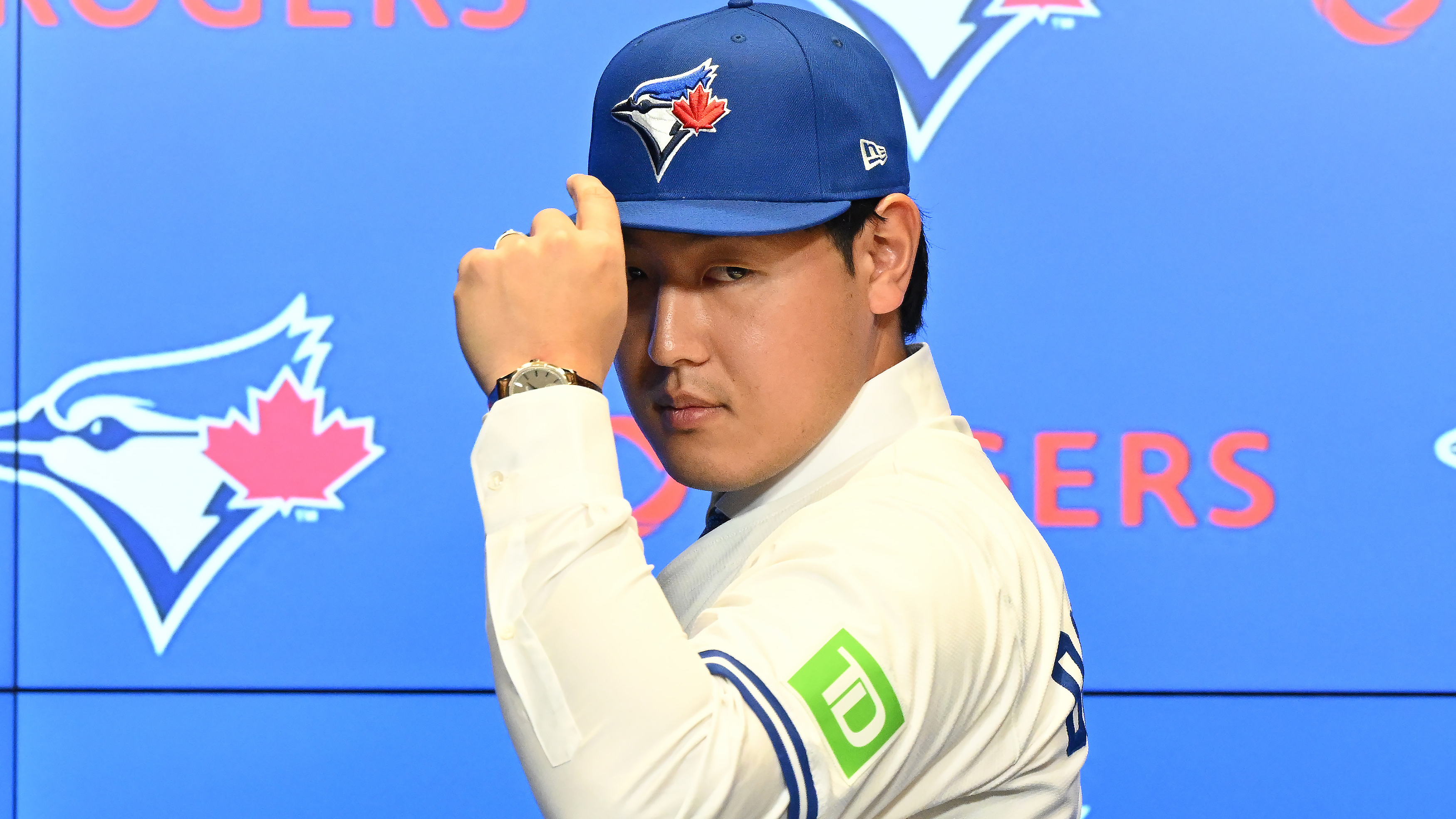
Kazuma Okamoto was introduced to the media earlier this week in Toronto, which brought out a huge crowd from both Japan and Toronto. The former Yomiuri Giants star expressed his excitement to be coming to this market, and shared that he got a little help in his decision process. “First of all, I love the city of Toronto and the team is very strong, so I thought that there was a lot of support there, but there was one thing that stuck in my mind,” Okamoto said through interpreter Gino Gordon. “I put all 30 logos in front of my daughter and said, ‘Which one do you like the most?’ She pointed at the Blue Jays.” You can read the full story on Okamoto’s intro right here. |
|
|
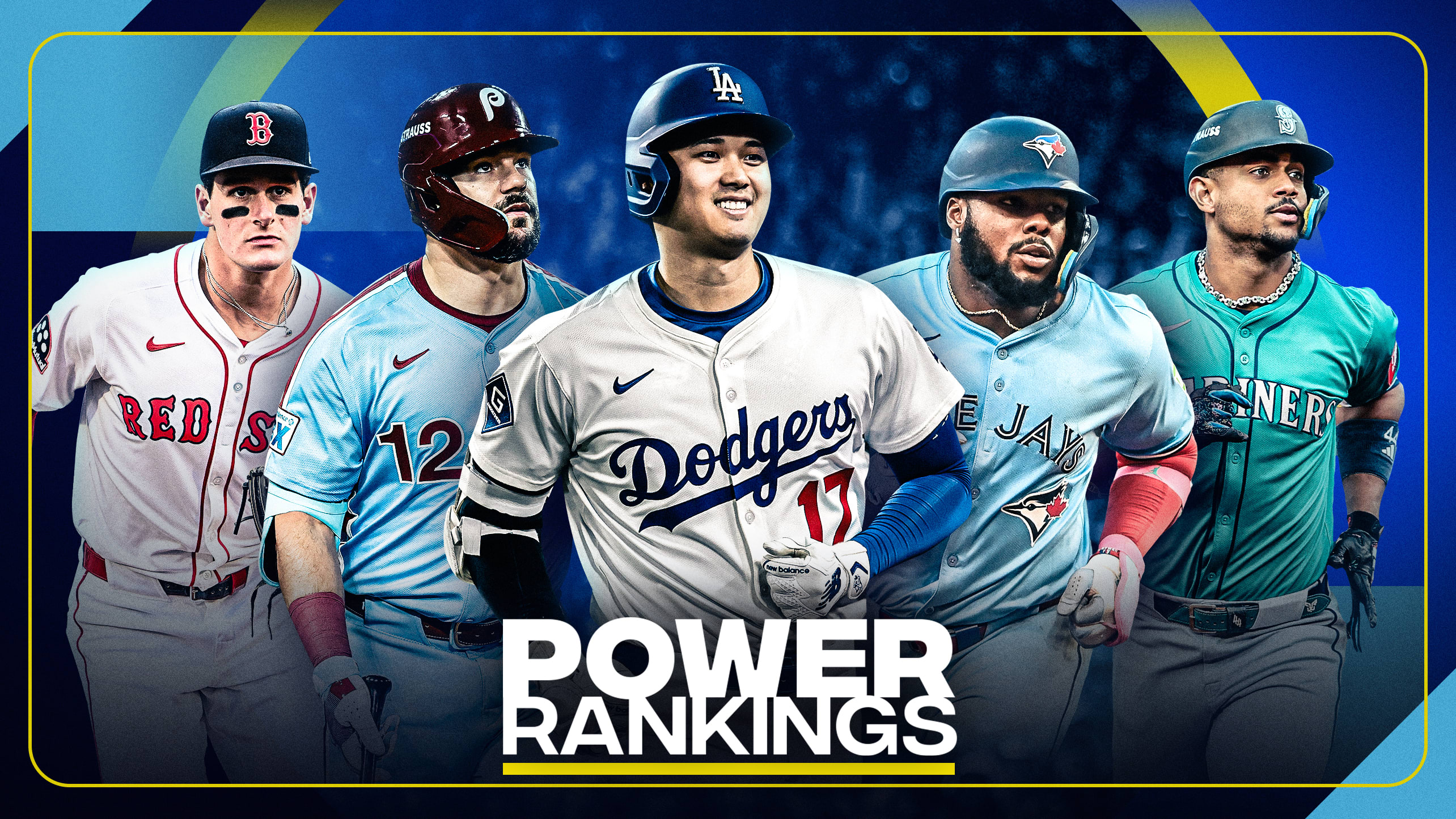
It’s never too early, is it? Check out the latest 2026 power rankings at MLB.com, led by the Dodgers and the Blue Jays. The best question to ask when you look at this: Which AL team is going to take down the Blue Jays? The AL East is going to be a nightmare to play in, but as long as the Blue Jays can escape the division alive, it’s easy to see their path back to the World Series despite the challenge of the Yankees and Mariners once again. |
|
|
FORWARDED FROM A FRIEND? SUBSCRIBE NOW |
To subscribe to Blue Jays Beat, visit this page and mark "Blue Jays Beat" from our newsletter list. Make sure you're following the Blue Jays or that they're checked as your favorite team. |
|
|
|