Welcome to this edition of the Red Sox beat newsletter. |
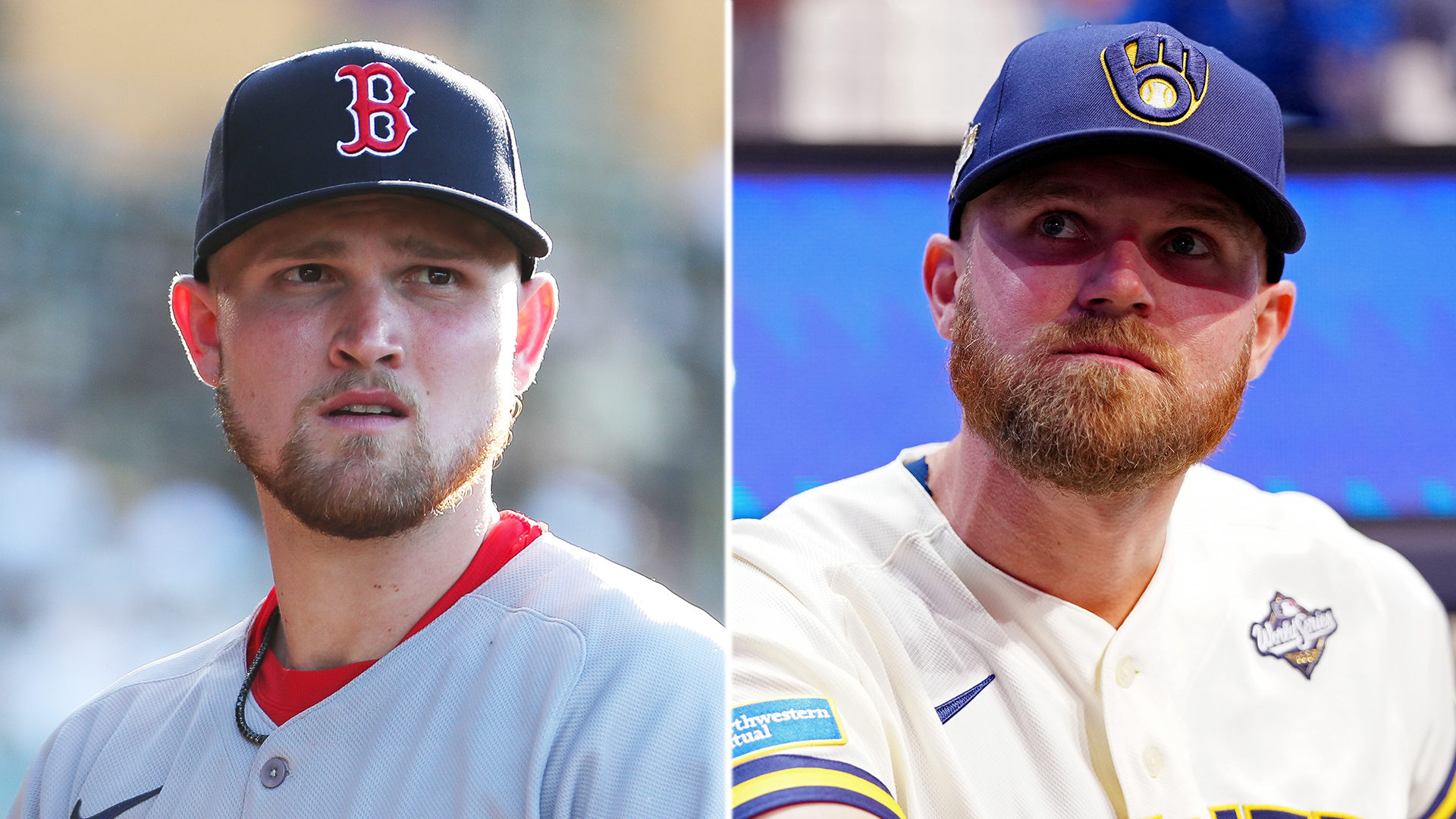
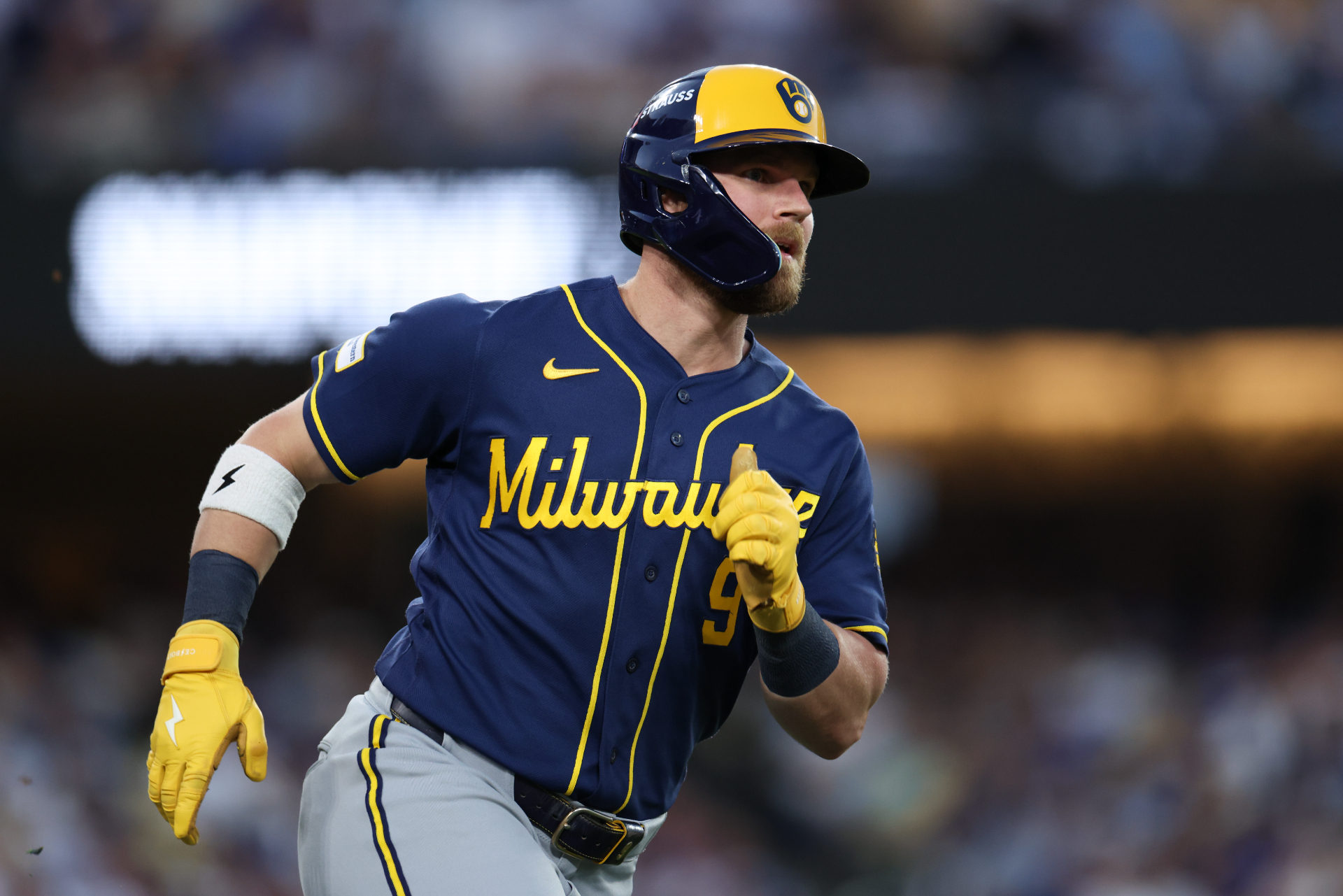
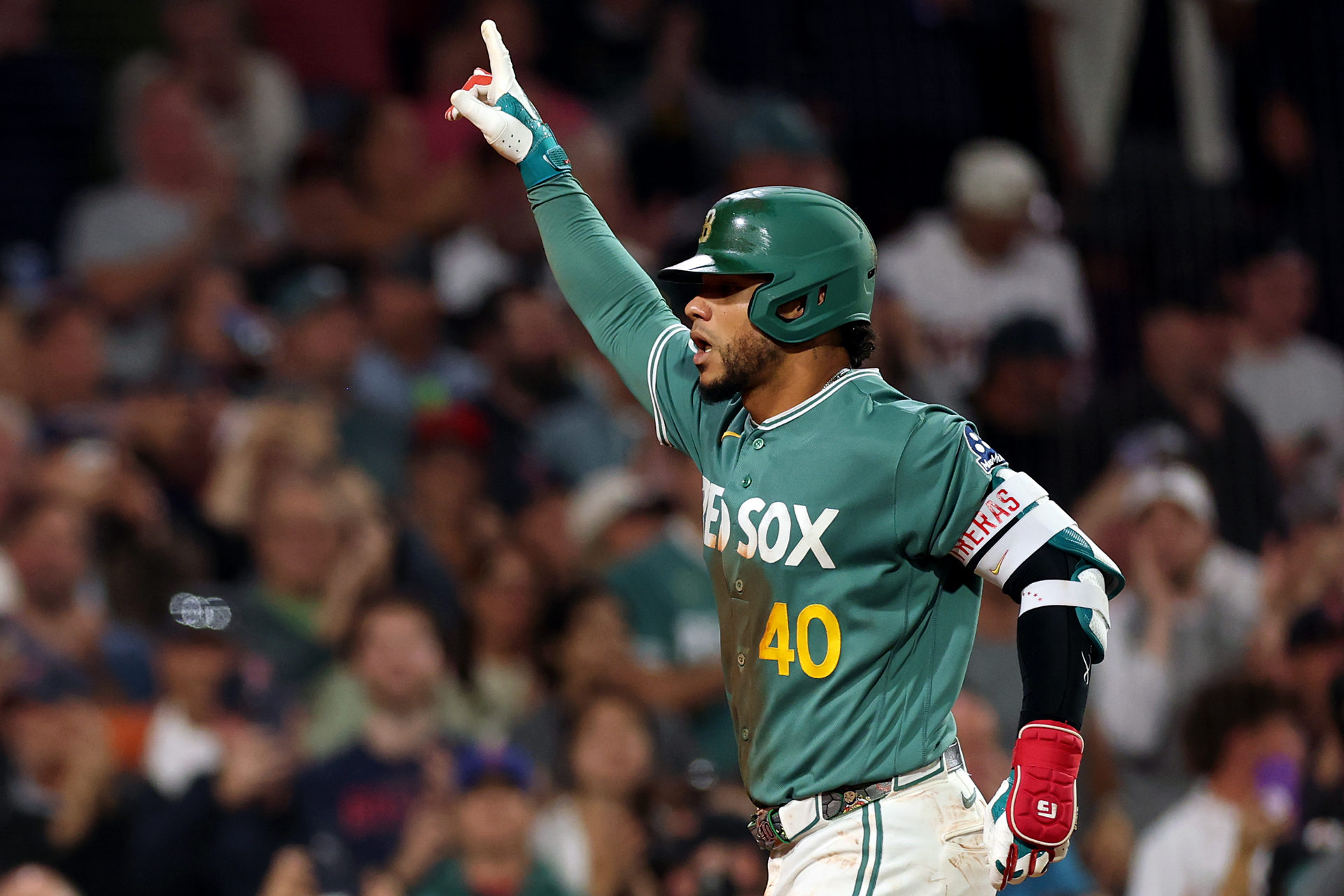
BOSTON -- Back on July 26, when the Red Sox dealt a valuable piece of their present and future in left-hander Connelly Early for a hitter in the midst of a career year in Curtis Mead, it was a calculated gamble by president of baseball operations Craig Breslow. In dealing from an area of organizational strength (starting pitching), Boston felt like it was getting a much-needed right-handed bat and cornerstone in the lineup for the next several years. They didn’t get to see how it would play out in ‘26, as Mead had the misfortune of fracturing his left wrist in just his second plate appearance for the Red Sox. This brings us to a much more recent event: The Red Sox formally announced the signing of free agent Jake Bauers to a four-year, $58-million contract on Tuesday. Much like Mead, Bauers had a season far and above anything he had done previously in his career, when he bounced from team to team trying to find something that stuck. So a pessimist would wonder if Breslow and his front office are banking too much on one season for these two players. |
While Breslow understands that line of questioning, he has a lot of confidence in what his evaluations of both players tell him about the future. “We are [confident in both of them going forward], and not exclusively because the data tells us so. But I think getting to know the players, talking to our scouts, our evaluators, looking at some of the underlying data, and then being able to identify a real change,” said Breslow. Specific examples of those changes? “I think it gives us a little bit of comfort to say Jake is swinging at different pitches. He's standing in the box a little bit differently. His bat path has changed,” said Breslow. “And Curtis has moved his point of contact out in front and he's hitting the ball in the air a little bit more while still making good swing decisions. If we can't point to something as the reason that is driving this change, it becomes a little bit scarier to bank on it in the future, but being able to identify the difference is really helpful.” Here’s the other thing to remember: Both players were once top prospects before spending years trying to justify the scouting reports. |
The fact is, the scouting reports were there to begin with, which means the raw talent was always there. It takes longer for some players to assimilate to playing at the highest level, and much of it depends on opportunity. Struggles can lead to a decrease in playing time, and it’s hard to emerge from a slump or change a reputation from the bench or in Triple-A. “I think [their former prospect status] enables us to say that these were highly regarded players by the industry. We weren't the only team that saw the talent. And sometimes it surfaces at 21 [years old] or 22, sometimes at 25, sometimes at 31,” said Breslow. “We can't always control that. But like I said, we are trying to understand what's driving the improved performance, and if we can put our finger on it, it becomes a lot easier to believe in.” For Bauers and Mead, they both got their most extensive looks yet in ‘26 and pounced on the opportunity. |
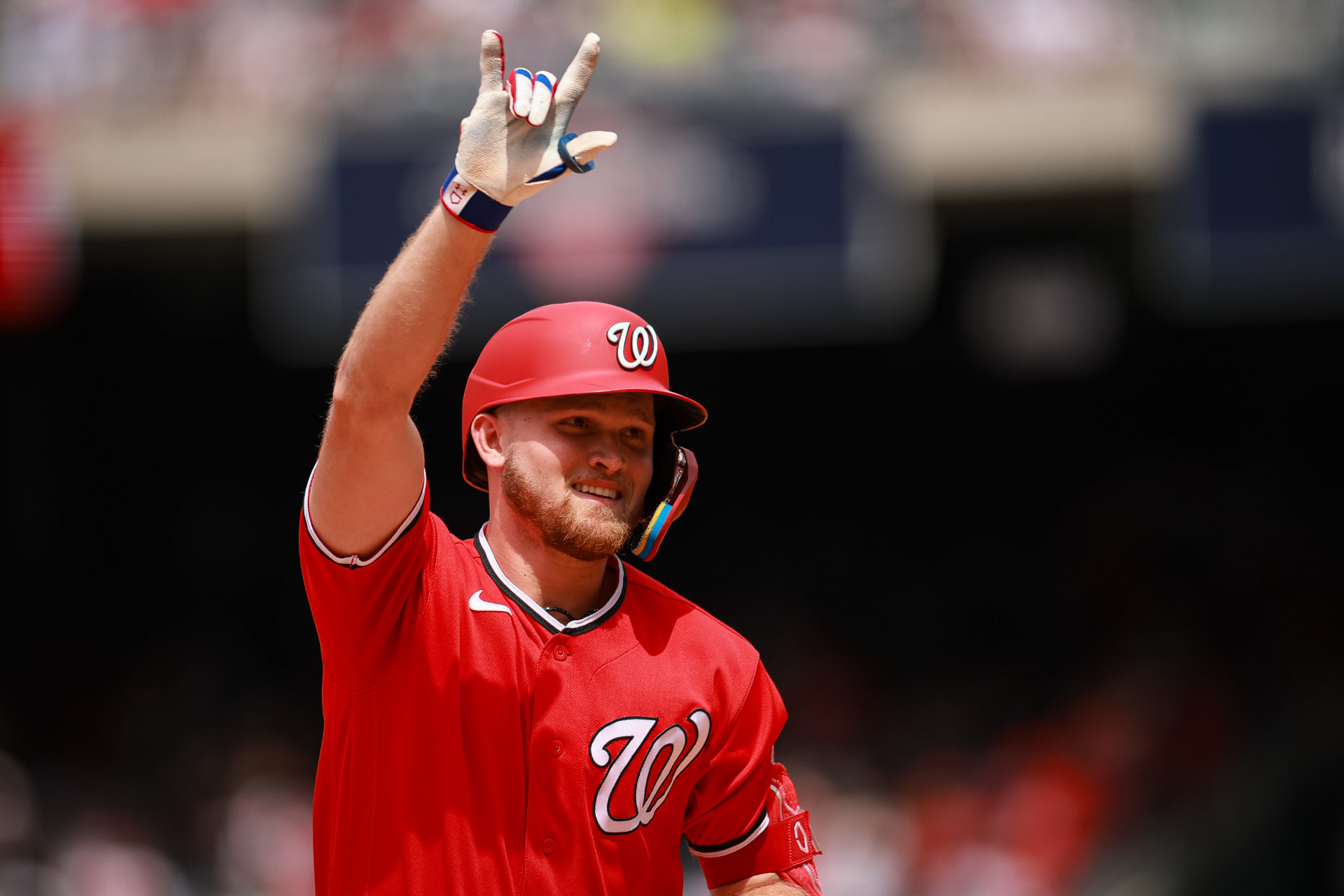
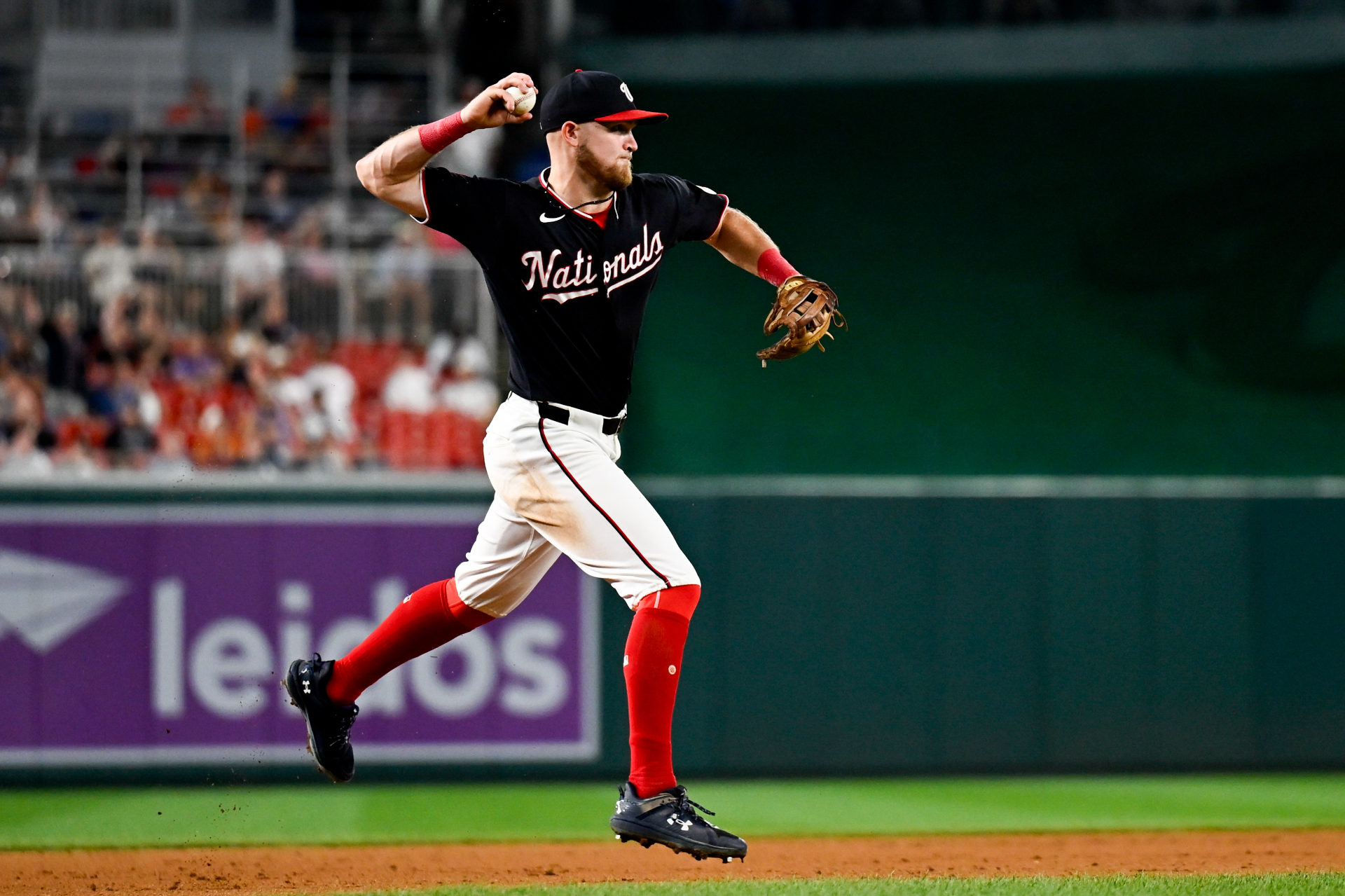
Nationals president of baseball operations Paul Toboni -- formerly Breslow’s right-hand man in Boston -- was on the ground floor when Mead took his game to another level. Much like Breslow, he sees sustainability with his former player. “First and foremost, just an unbelievable dude,” Toboni said at the GM Meetings earlier this month. “He's a great teammate, great leader. I think he's going to be awesome for the Red Sox. I think where my mind goes [regarding Mead] is extremely mature and confident in who he is as a player.” Toboni enjoyed watching Mead morph from platoon player to lineup fixture after the Nationals acquired him from the White Sox two days after Opening Day. At first, Mead was penciled in as a player who would get most of his time with Washington against lefties. That soon changed. “[Mead] was just really prepared and advanced in how he went about thinking about that, and then the results followed, and I think you all saw it,” said Toboni. “But he started finding himself in the lineup against righties and played well, and he can just really hit. He's got a really good understanding of how to play the game and put himself in a good position to succeed. I think he’s the type of player that Boston will really fall in love with.” |
MLB MORNING LINEUP PODCAST |
Given that Breslow acquired three hitters who project as everyday players in the last four months, manager Chad Tracy’s lineup could be just about set. “I think we have a good lineup,” said Breslow. “I think we should be able to score runs pretty consistently if guys are healthy and they perform the way that we believe they're capable of and [the way] they have at other parts of their career. I don't think anybody ever says, ‘Hey, our work is done.’ We'll continue to look for ways that we might be able to improve. It’s hard to envision that there's something significant on the horizon. We feel like Jake puts a pretty sizable dent in the shopping list.” Here’s a projection of what Tracy’s lineup could look like: 1. Roman Anthony, LF 2. Curtis Mead, 2B 3. Wilyer Abreu, RF 4. Willson Contreras, 1B 5. Jake Bauers, DH 6. Ceddanne Rafaela, CF 7. Adley Rutschman, C 8. Trevor Story, SS 9. Caleb Durbin, 3B |
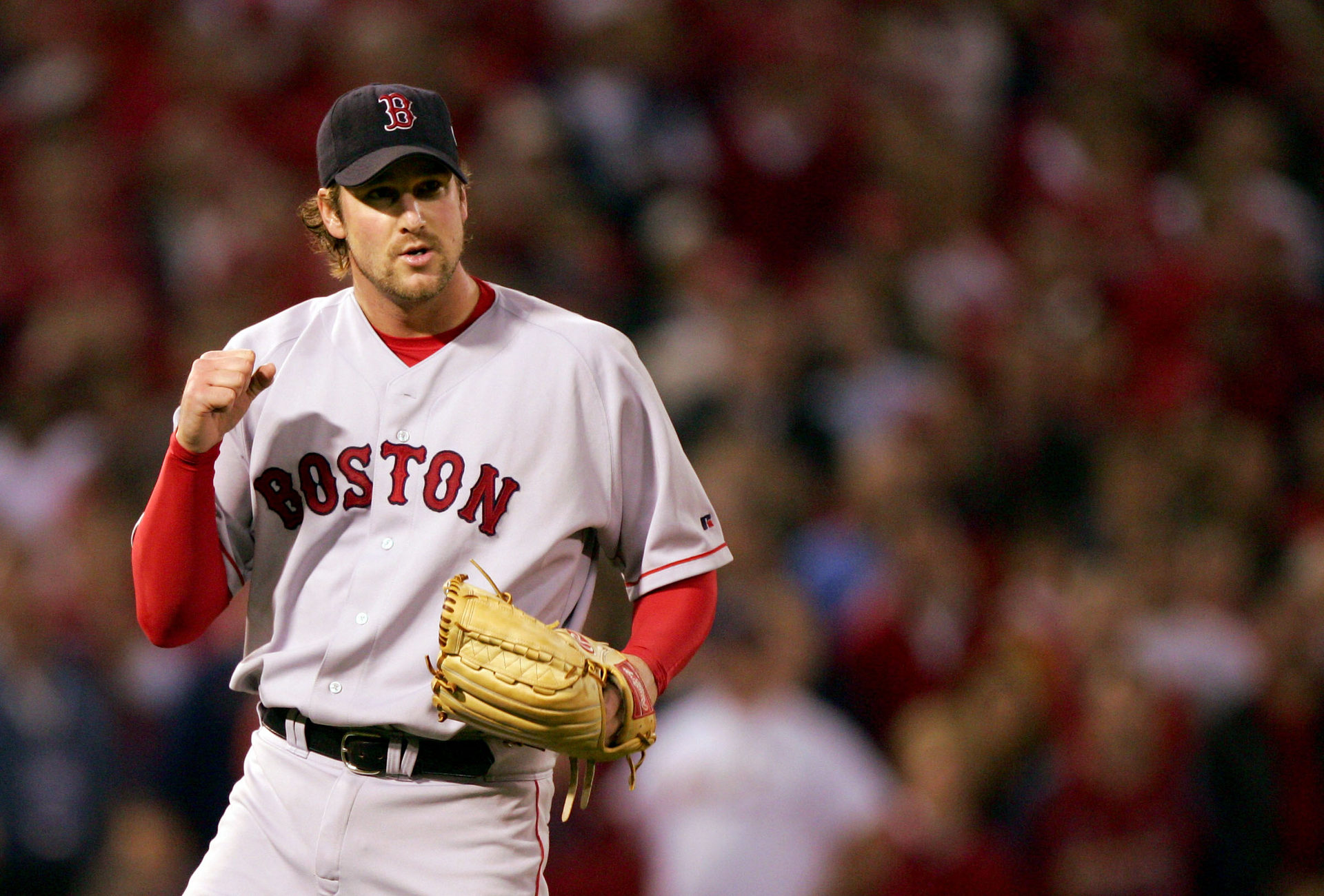
In a sports-crazed city like Boston, if you’re a hero once, you’re pretty much a hero forever. Take, for example, the case of right-hander Derek Lowe, who pitched for the Red Sox from 1997-2004. First as a reliever and then as a starter, the man teammates called “D. Lowe” emerged into a key part of four postseason entries in his eight years with the club, most memorable in the run to the ‘04 World Series championship. At Thursday’s annual The Tradition event at TD Garden, which is an event put together by the Sports Museum, Lowe received this year’s baseball legacy award. While some years it’s players such as Hall of Famers David Ortiz, Pedro Martínez or Jim Rice who receive that award, there are other years when the more unheralded stars get recognized. In his eight seasons with the Red Sox, Lowe went 70-55 with a 3.72 ERA, adding in 85 saves and earning three clinching victories during the ‘04 postseason. While the steal by Dave Roberts, the walk-off hits by Ortiz and the bloody-sock performances by Curt Schilling might come to mind first, it should never be forgotten that Lowe dominated the Yankees in Game 7 of the ALCS on two days of rest, giving up one hit and one run over six innings. Riding Lowe’s masterpiece, the Sox became the first -- and still only -- MLB team to overcome a 0-3 deficit in a postseason series. |
|
|
|
FORWARDED FROM A FRIEND? SUBSCRIBE NOW |
To subscribe to Red Sox Beat, visit this page and mark "Red Sox Beat" from our newsletter list. Make sure you're following the Red Sox or that they're checked as your favorite team. |
|
|
|
© 2026 MLB Advanced Media, L.P. MLB trademarks and copyrights are used with permission of Major League Baseball. Visit MLB.com. Any other marks used herein are trademarks of their respective owners.
Please review our Privacy Policy.
You (mlb-newsletters@mlb.com) received this message because you registered to receive commercial email messages or purchased a ticket from MLB.
Please add info@marketing.mlbemail.com to your address book to ensure our messages reach your inbox. If you no longer wish to receive commercial email messages from MLB.com, please unsubscribe or log in and manage your email subscriptions.
Postal Address: MLB.com, c/o MLB Advanced Media, L.P., 1271 Avenue of the Americas, New York, NY 10020.
|
|
|
|
|