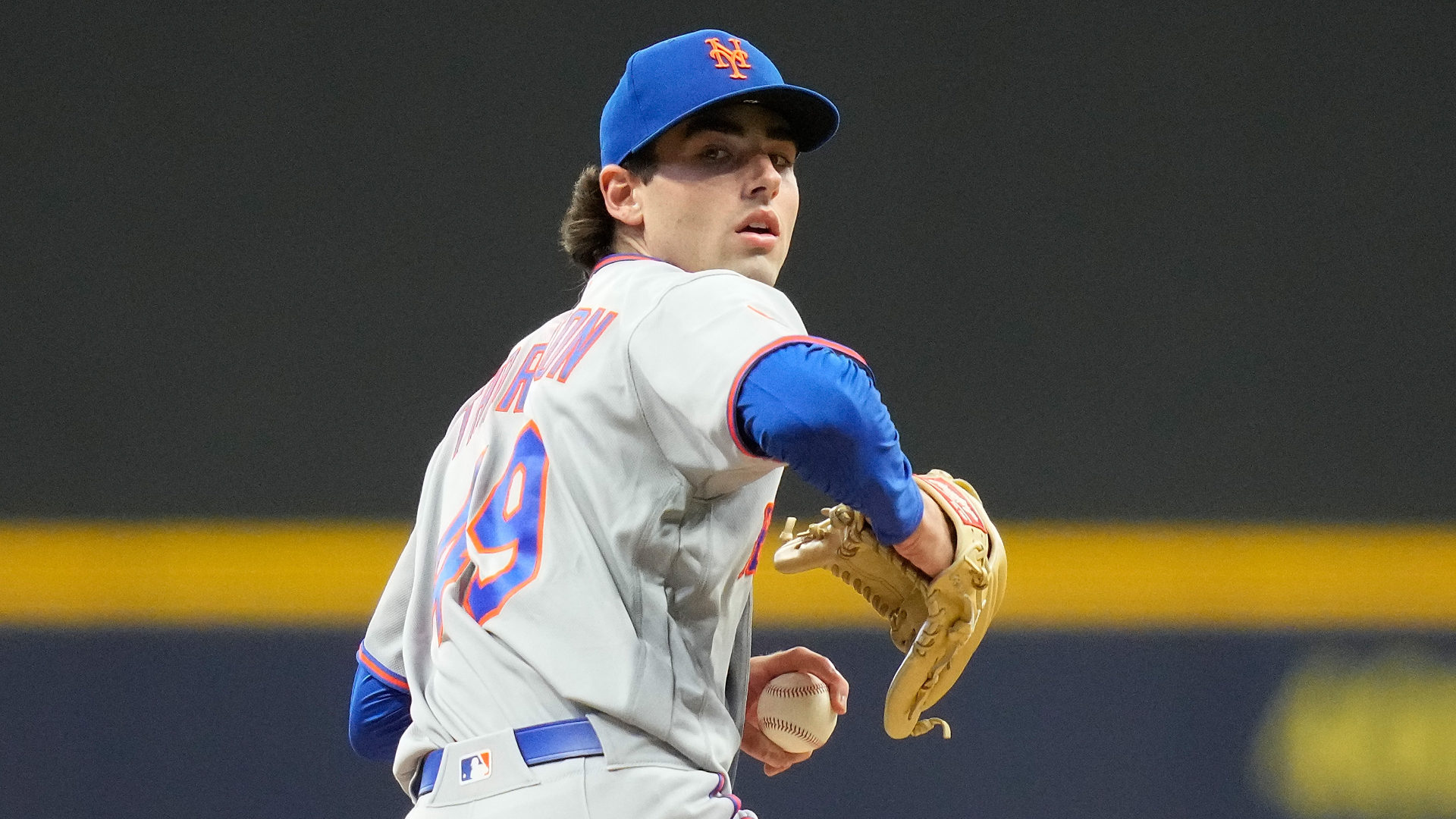
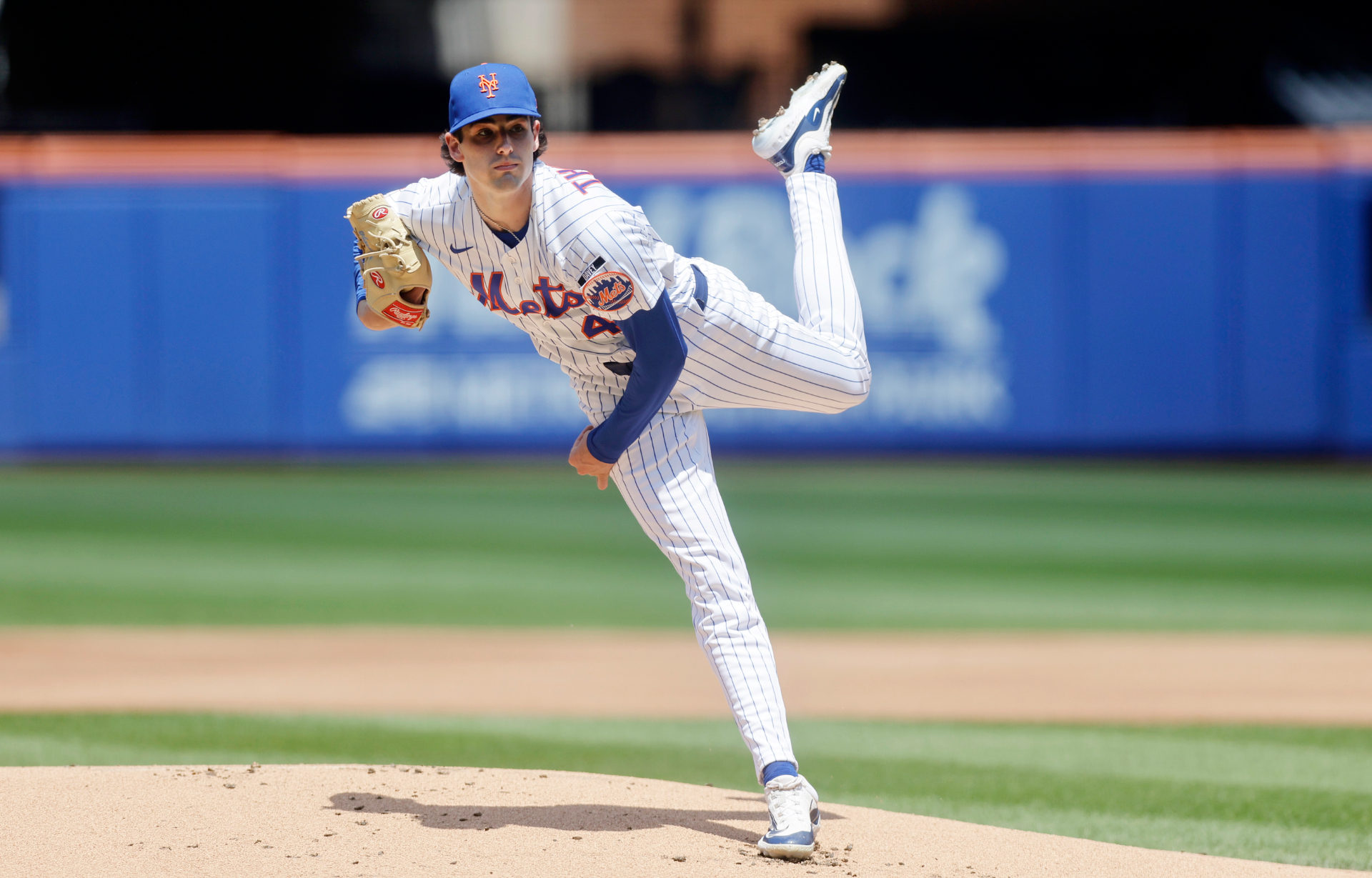
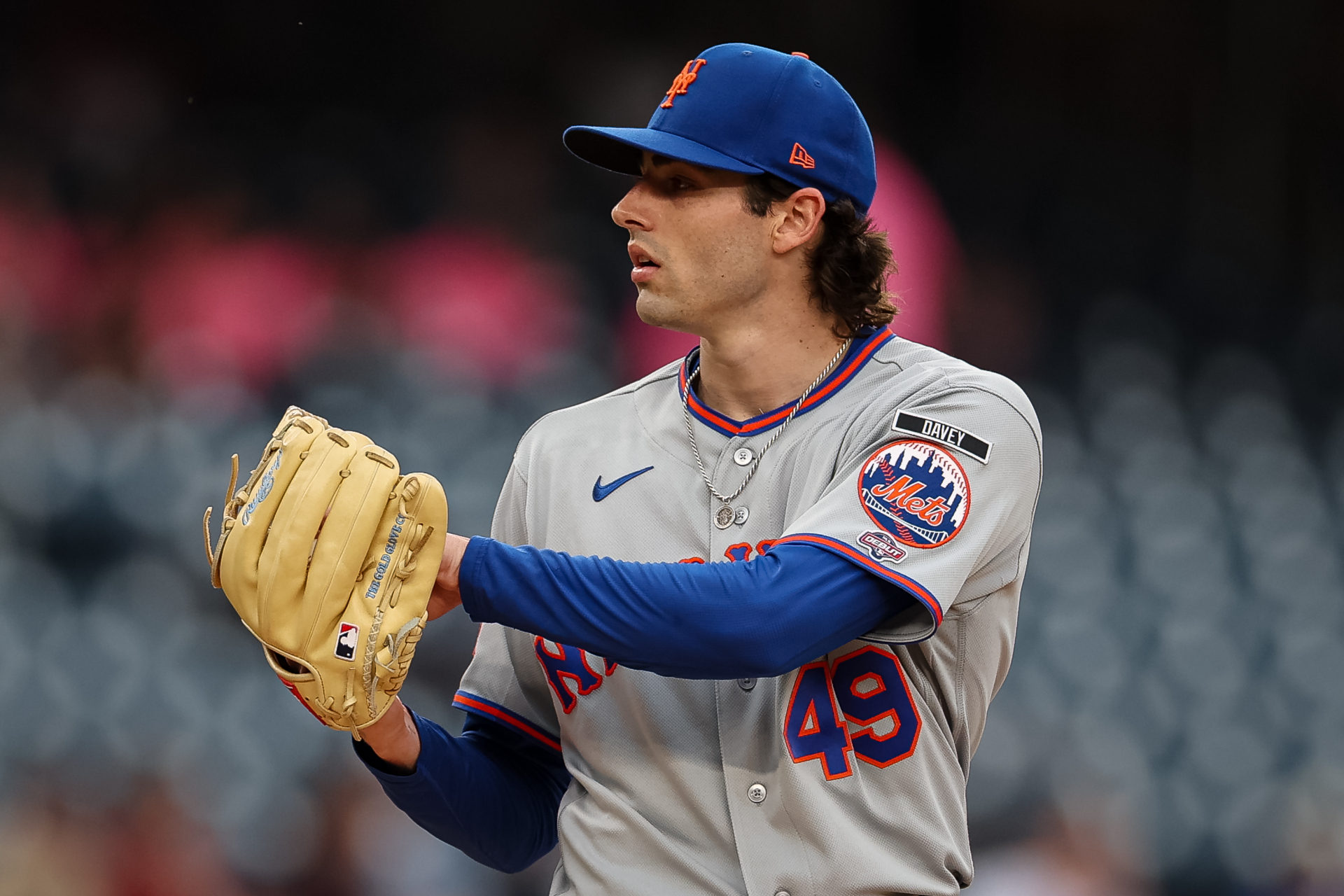
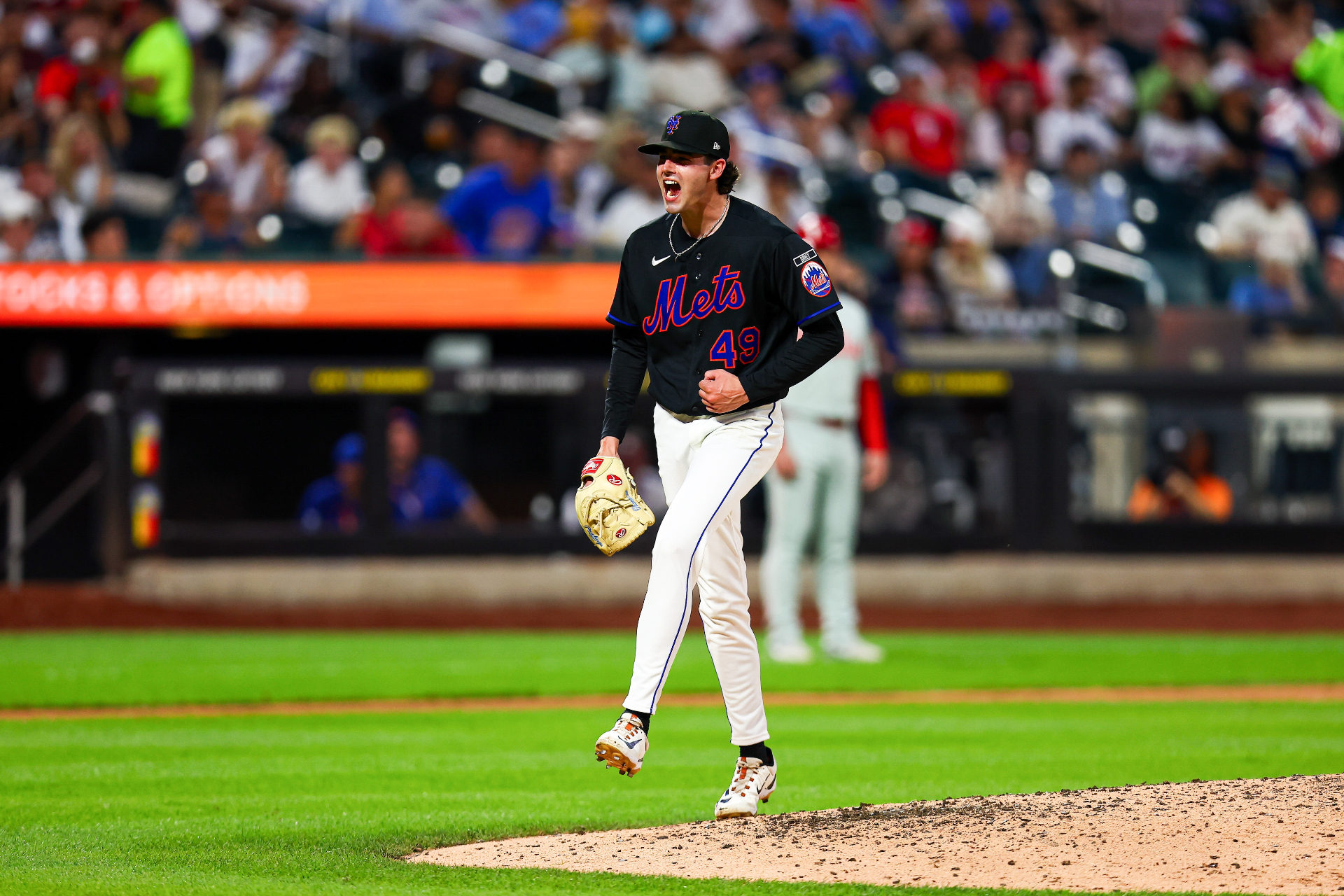
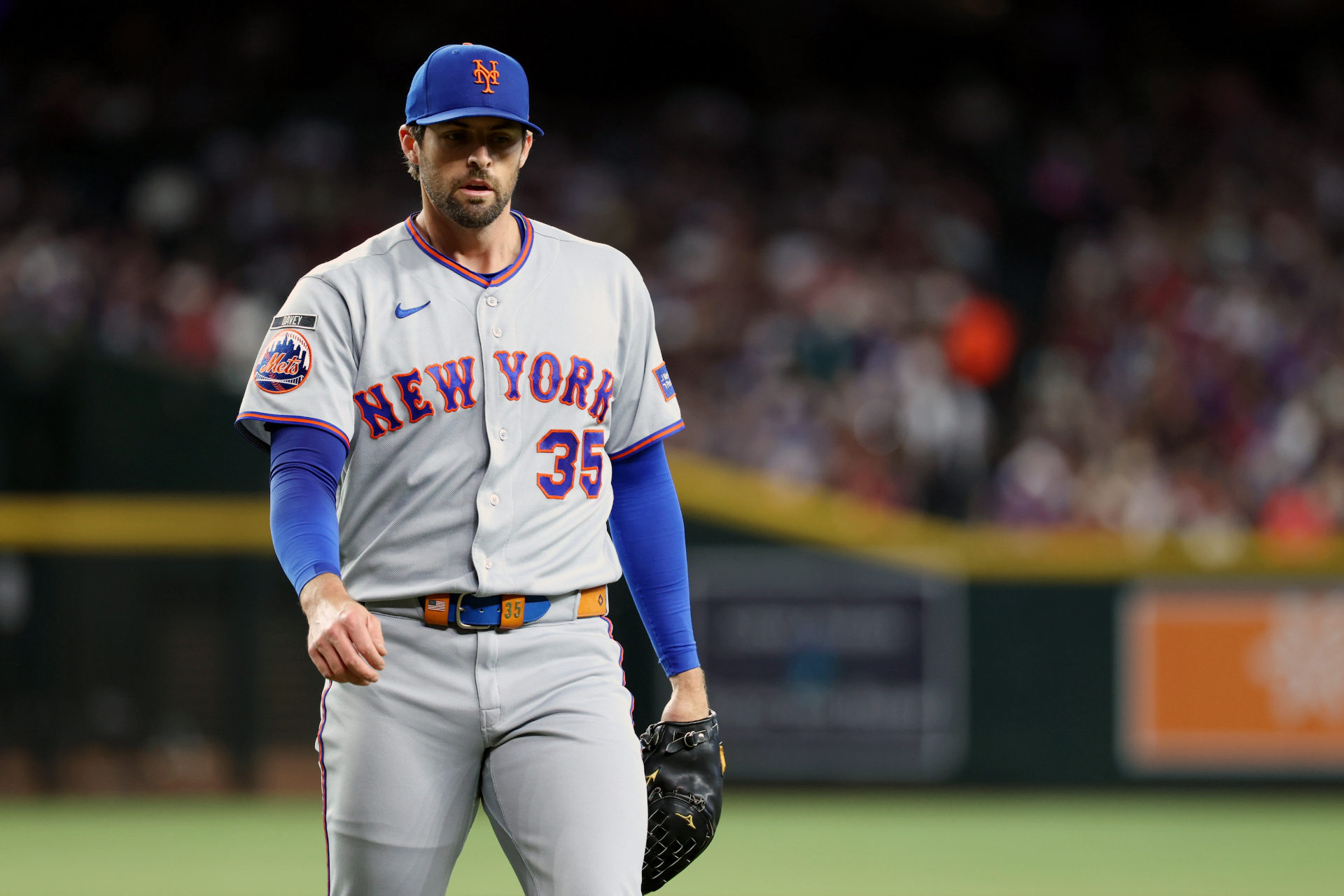
That's become increasingly evident in the Majors. Thornton doesn't pitch for strikeouts. In fact, he'd almost rather avoid chasing them altogether.
"I'd rather throw one damn near down the middle and let them mess up," Thornton said. "Hitting's the hardest thing to do in sports."
It's an approach built around conviction instead of caution.
Throw strike one. Force contact. Stay out of hitter's counts. Trust the process that has worked at every stop.
The same process that began years ago, when there wasn't much reason for anyone outside Barton Community College to believe this was possible.
Thornton did anyway.
He transferred to Grand Canyon after two seasons at Barton, became one of the nation's better left-handed starters, climbed through four levels of the Mets' organization and now finds himself emerging as one of the club's brightest developments in an otherwise difficult season.
The timing couldn't be more significant.
With the Trade Deadline approaching, much of the conversation surrounding the Mets centers on veterans who could soon be wearing different uniforms.
Thornton represents the opposite. He's a reminder that rebuilding isn't only about who leaves. Sometimes, it's about discovering who's already here.
A few years ago, Thornton was an underrecruited high school player hoping someone would give him a chance.
Now, after three dominant starts, the Mets aren't wondering whether he belongs -- they're beginning to wonder just how high his ceiling might be.
And if you ask Thornton, none of this feels improbable. Not because he knew exactly how he'd get here. Because, from the very beginning, he never believed there was any other destination.