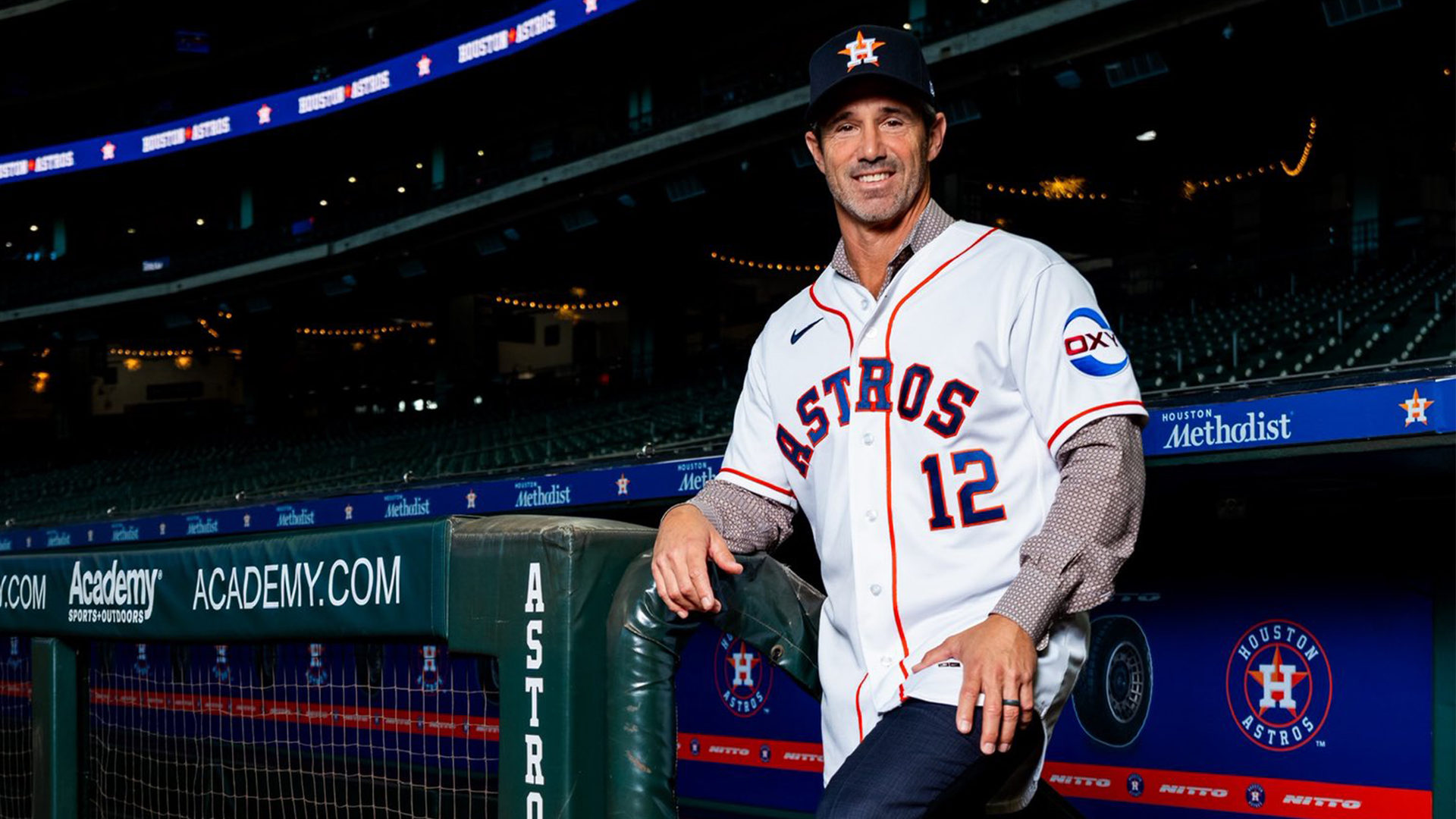
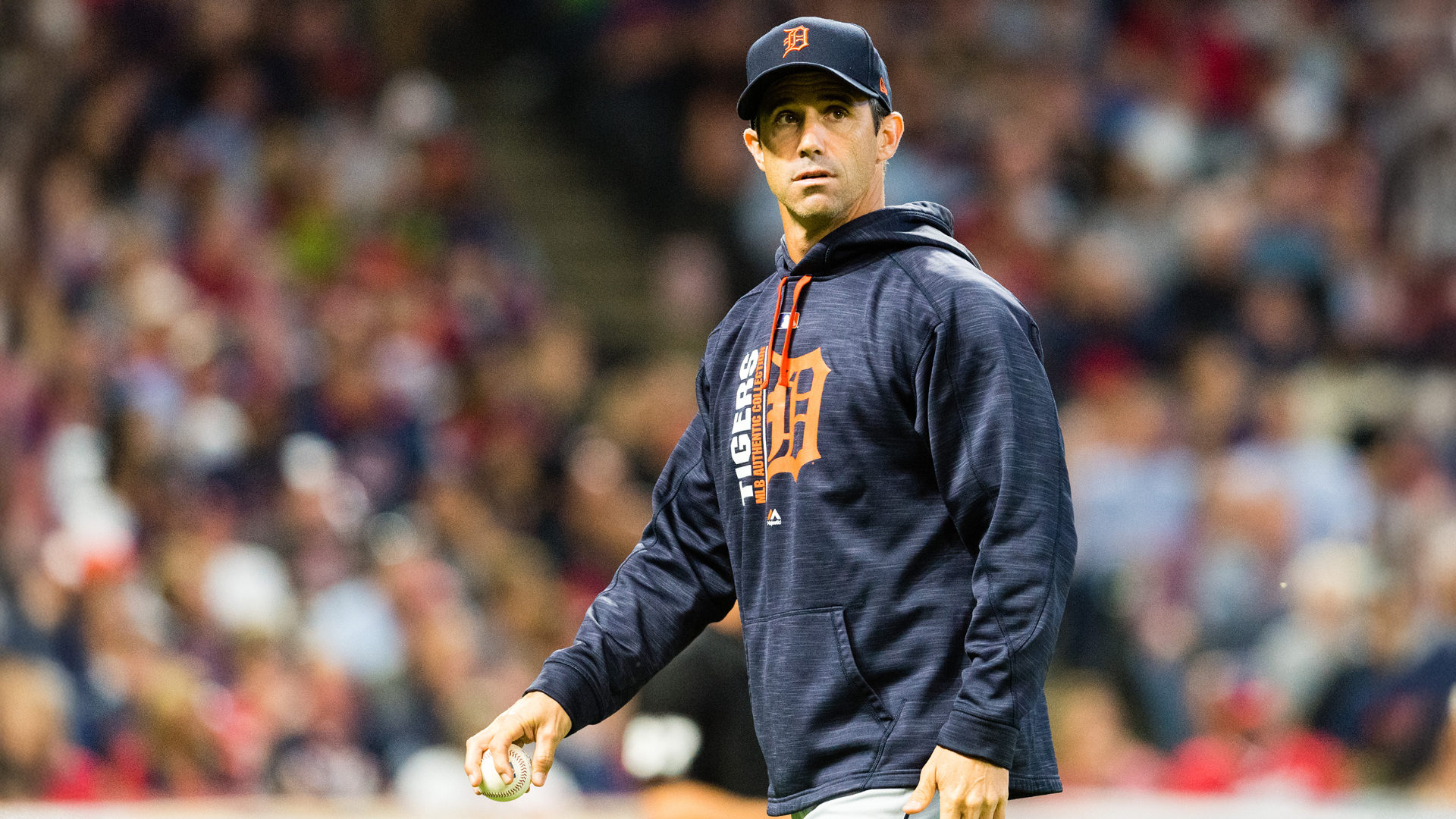
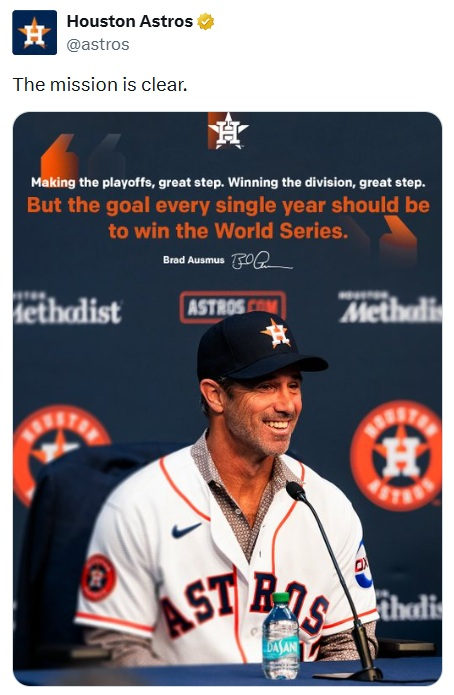
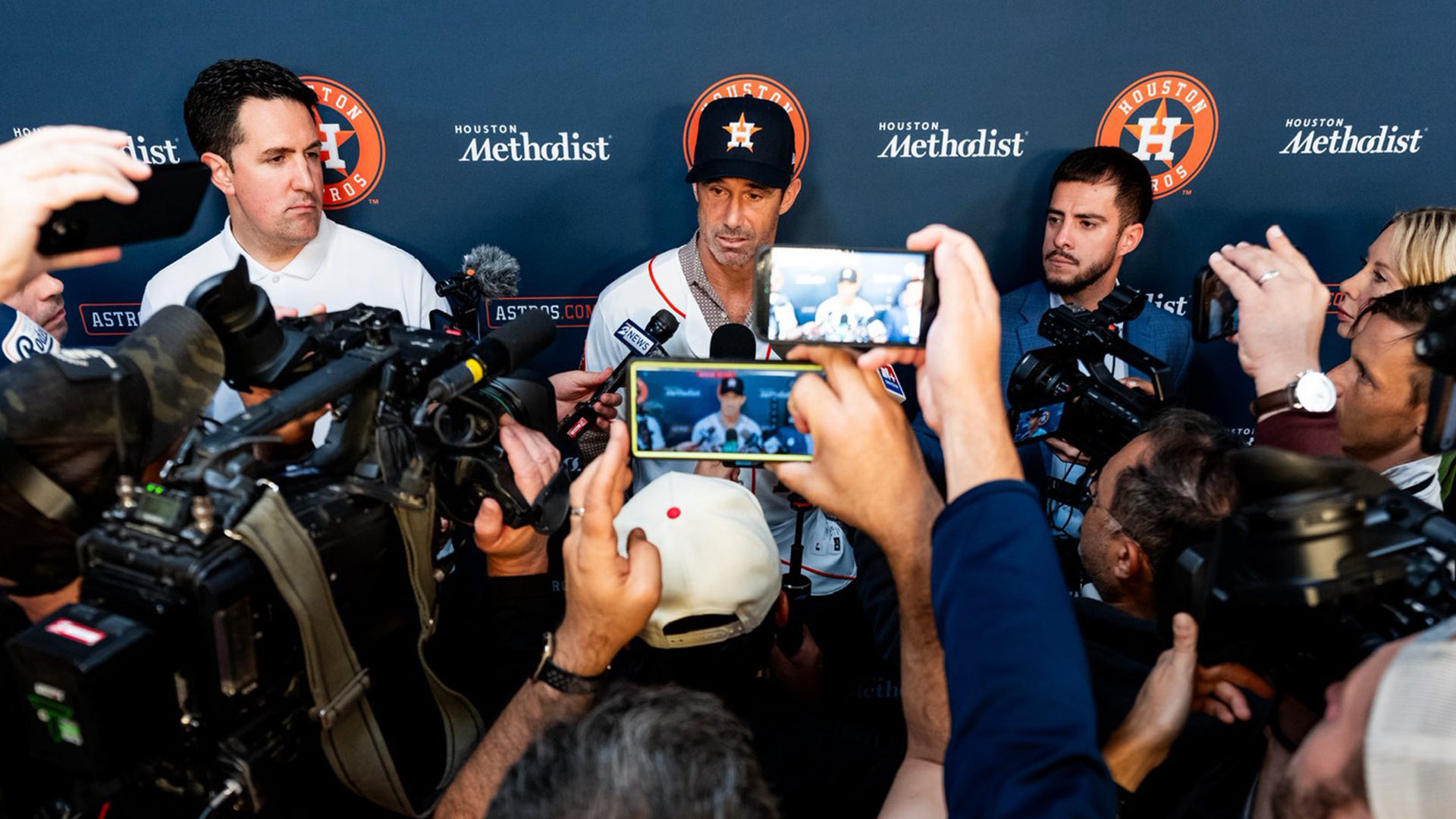
HOUSTON -- By the time Brad Ausmus manages his first game with the Astros, it will have been about seven years since he was a manager in the Major Leagues, which was with the Angels in 2019. Ausmus had big shoes to fill in Anaheim by replacing Mike Scioscia, who won 1,650 games in 19 years with the Angels, including the 2002 World Series. The Angels went 72-90 under Ausmus during a season in which the franchise suffered the tragic death of pitcher Tyler Skaggs. Under Scioscia, the Angels never lost more than 88 games from 2000-18. It took Ausmus nearly seven years to find another manager job, but he remained in the dugout as bench coach for the A’s (2022) and Yankees (2024-26). Those bench-coach stints were vital for Ausmus, given the significant rule changes in baseball since 2020. That includes using an automatic runner in extra innings, the universal designated hitter, the pitch clock and the Automated Ball-Strike (ABS) system. The game looks much different from his time as manager of the Tigers (2014-17). |
“It’s not that I haven’t been exposed to [recent rule changes]; it’s not new to me,” Ausmus said Monday. “When I took over in Detroit, that was the beginning of replay [reviews]. It’s not new. It hasn’t really been a thought in my mind because I’ve been part of it.” Regardless, Ausmus is the sum of his experiences in the game, from his 18 years as a Major League catcher to his stints in the dugout as manager and bench coach and special assistant roles with the Padres (2011-13) and Angels (2018). “Having multiple roles that are beside the manager's seat and having a different point of view helps,” Ausmus said. “So, are there going to be sweeping changes? I don't know that I'll get into actual changes because I think each roster is a little different and players are a little different. But there's no question that what I've learned since my last managerial gig is going to help me, I think, moving forward. I think that those experiences are certainly an asset at this point.” |
When Ausmus began managing the Tigers in 2014 -- leading Detroit to 90 wins and the AL Central division title -- the use of advanced analytics was still expanding throughout baseball. Some teams, like the Astros, were at the forefront in that area, but other teams quickly caught up. “Truthfully, part of the reason I became a special assistant in Anaheim was to start diving into that side of it,” Ausmus said. “And since that time, my experiences with multiple organizations, whether it's Detroit, or Anaheim, or the San Diego Padres, or Oakland A’s or New York Yankees, have kind of grown my knowledge of the data side of the game. I know a lot of times, it's old school versus new school when it comes to data, but data is very valuable. “You don't necessarily have to live and die by data in every single instance, but it's extremely valuable in making decisions and putting together a roster. And that's the part of me that has probably grown the most over the last 10 years, truthfully, and it was intentional.” |
Ausmus, 57, wasn’t sure he would get another shot to manage, but the desire was always there. He said his main motivations for returning to the dugout were competition and camaraderie. Ausmus had interviewed in prior years for the positions of manager and general manager with the Astros, and he initially interviewed in Houston a couple of weeks ago for the GM role that went to Randy Flores. Now that he’s back in the dugout as a manager, Ausmus is where he feels most comfortable. “That's what I enjoyed as a player, and you still get that as a manager -- going up against the other team, trying to outplay them, outsmart them, whatever it is,” he said. “Then the camaraderie, being part of the group -- not necessarily on the player level -- but you're still part of the group with the coaching staff and the players. You have one common goal every night, that's to win. “Those are the things that when you step away from the game, you kind of miss. Even as a special assistant, you miss that a little bit because you're not in the clubhouse. You're not grinding it out every day, and you've got to kind of embrace that grind with the people, the family you have for that season. You’ve got to embrace that and go after it, and that makes it fun.” |
MLB MORNING LINEUP PODCAST |
|
|
|
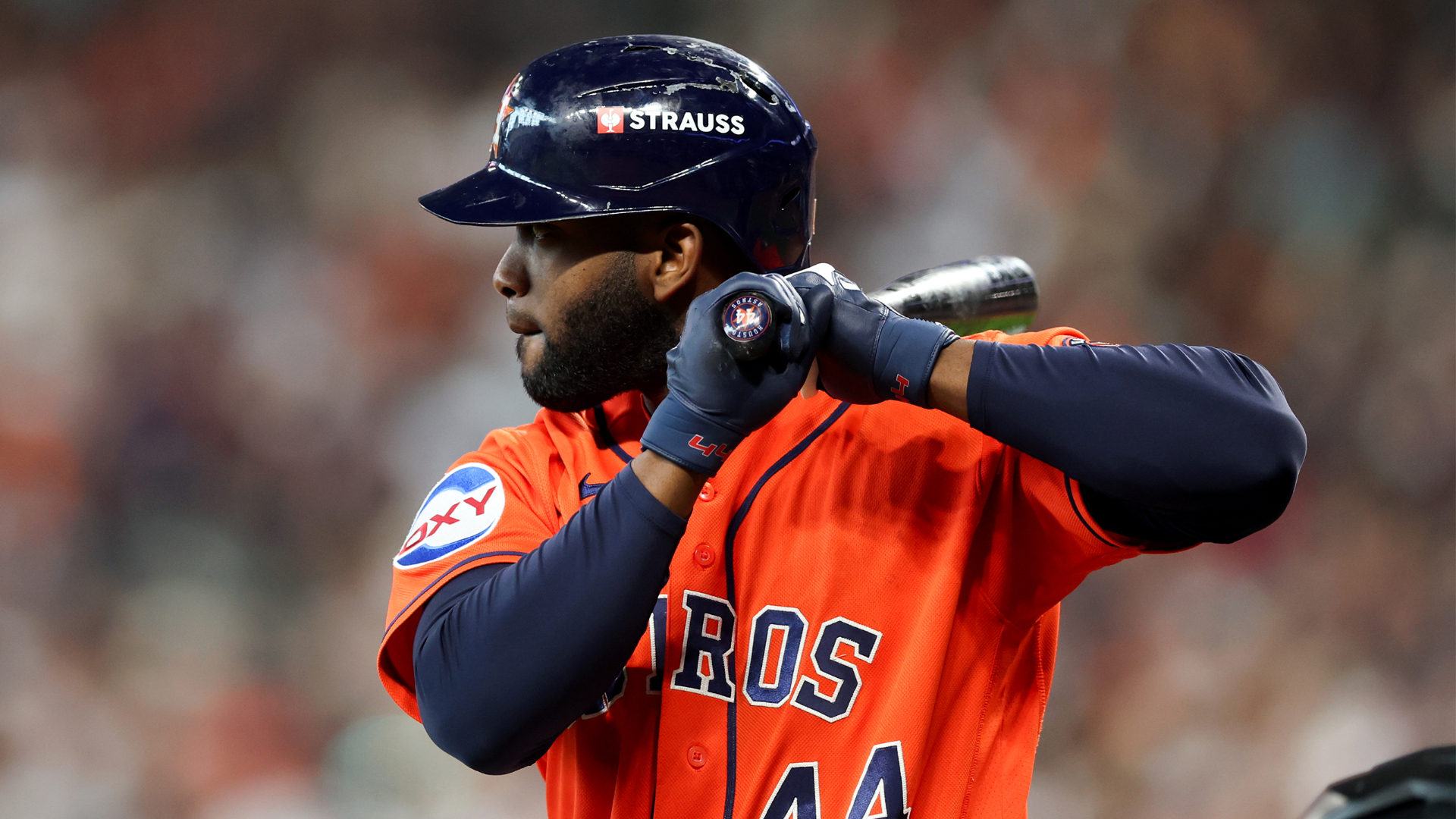
Perhaps the two most lopsided trades in Astros history -- at least, in terms of those that benefited Houston -- wound up netting a pair of Most Valuable Players: Jeff Bagwell in the National League in 1994 and Yordan Alvarez in the American League in 2026. Bagwell was a Double-A third baseman when he was acquired from the Red Sox on Aug. 30, 1990, in exchange for pitcher Larry Andersen. Bagwell moved to first base, and his impact was immediate. He won NL Rookie of the Year in 1991 and was a unanimous MVP three years later en route to a Hall of Fame career. Alvarez hadn’t even played a Minor League game when he was traded from the Dodgers in exchange for reliever Josh Fields on Aug. 1, 2016. Fields posted a solid 2.61 ERA in 124 games with the Dodgers from 2016-18, but Alvarez was the AL Rookie of the Year in 2019 and a unanimous league MVP this year. |
|
|
|
FORWARDED FROM A FRIEND? SUBSCRIBE NOW |
To subscribe to Astros Beat, visit this page and mark "Astros Beat" from our newsletter list. Make sure you're following the Astros or that they're checked as your favorite team. |
|
|
|
© 2026 MLB Advanced Media, L.P. MLB trademarks and copyrights are used with permission of Major League Baseball. Visit MLB.com. Any other marks used herein are trademarks of their respective owners.
Please review our Privacy Policy.
You (mlb-newsletters@mlb.com) received this message because you registered to receive commercial email messages or purchased a ticket from MLB.
Please add info@marketing.mlbemail.com to your address book to ensure our messages reach your inbox. If you no longer wish to receive commercial email messages from MLB.com, please unsubscribe or log in and manage your email subscriptions.
Postal Address: MLB.com, c/o MLB Advanced Media, L.P., 1271 Avenue of the Americas, New York, NY 10020.
|
|
|
|
|