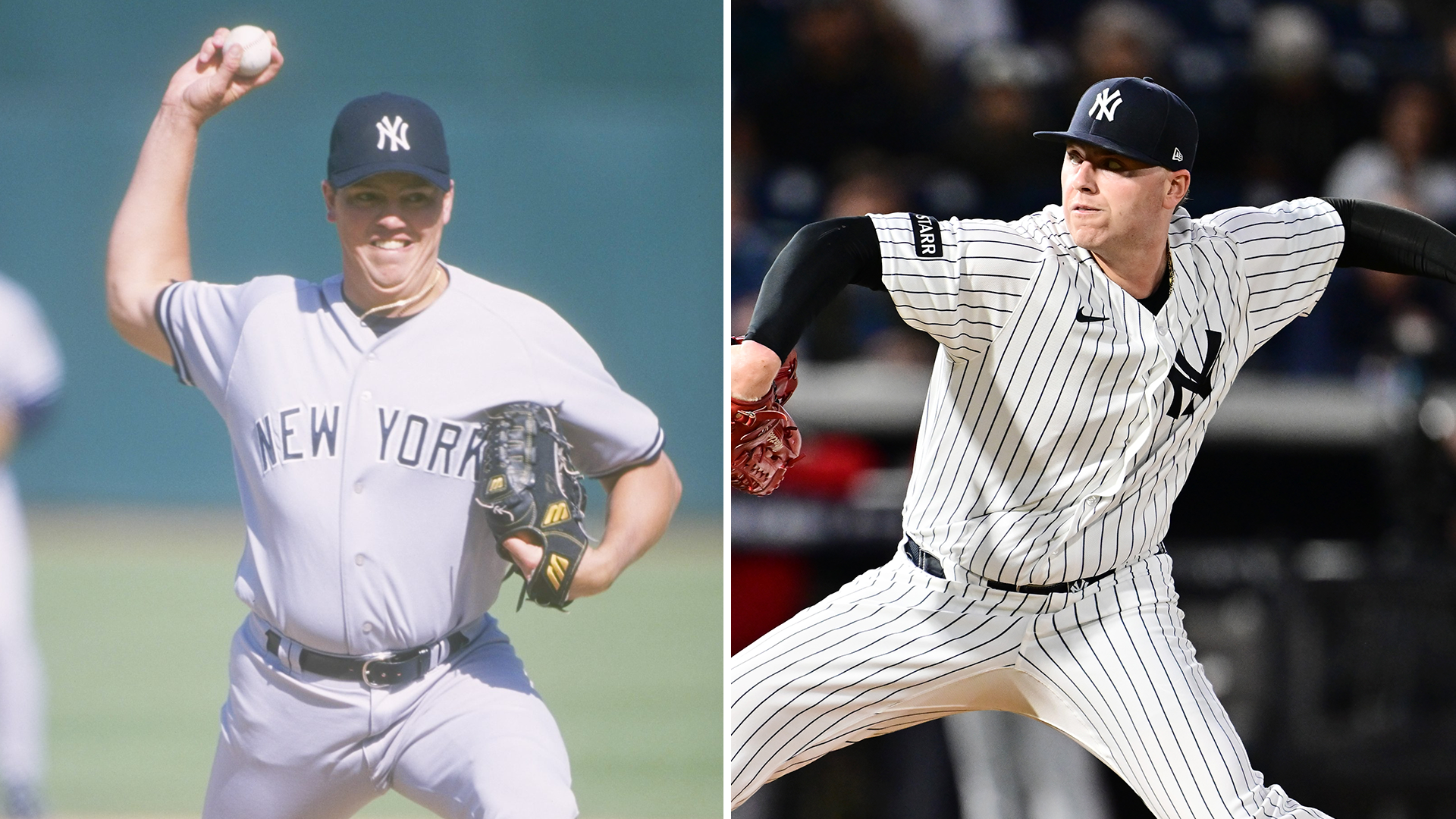
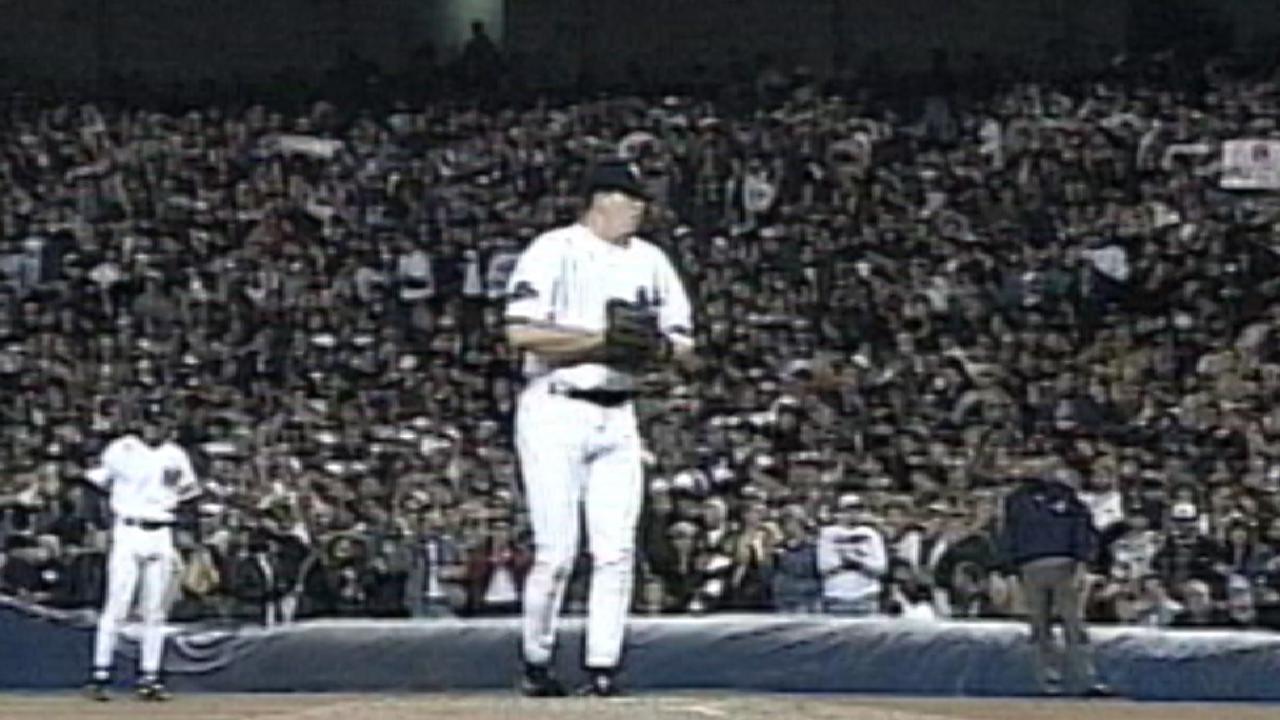
TAMPA, Fla. -- Ryan Weathers says he was about six years old when he first began to understand what his father did for a living, which gave the youngster a chance to explore big league stadiums and learn the rhythms of a clubhouse that he still calls “a sacred place.” It was around that time that David Weathers first allowed his son to try on his World Series rings: one from the 1992 Blue Jays, one from the 1996 Yankees. Even then, the blue one with the interlocking NY felt significant on the boy’s small fingers -- something weighty and important. “That was the first time I realized how cool a World Series ring was,” Weathers said. “Now it’s even cooler to me, because I’m in it. It makes you understand why this has been such a successful organization for a long time.” The 1996 Yankees are remembered as the birth of a dynasty, marking the franchise’s first championship since ‘78 and coinciding with Joe Torre’s arrival in the manager’s office. That roster blended veterans and youngsters, a who’s-who of modern Old Timers’ Days: Wade Boggs, David Cone, Derek Jeter, Paul O’Neill, Andy Pettitte, Mariano Rivera, Bernie Williams. David Weathers wasn’t there for the first few months, and he didn’t make much of an impression right away. Acquired from the Marlins in a July 31 trade, the right-hander nicknamed “Stormy” initially struggled. But he delivered when the games counted the most, pitching to an 0.82 ERA across 11 postseason innings. |
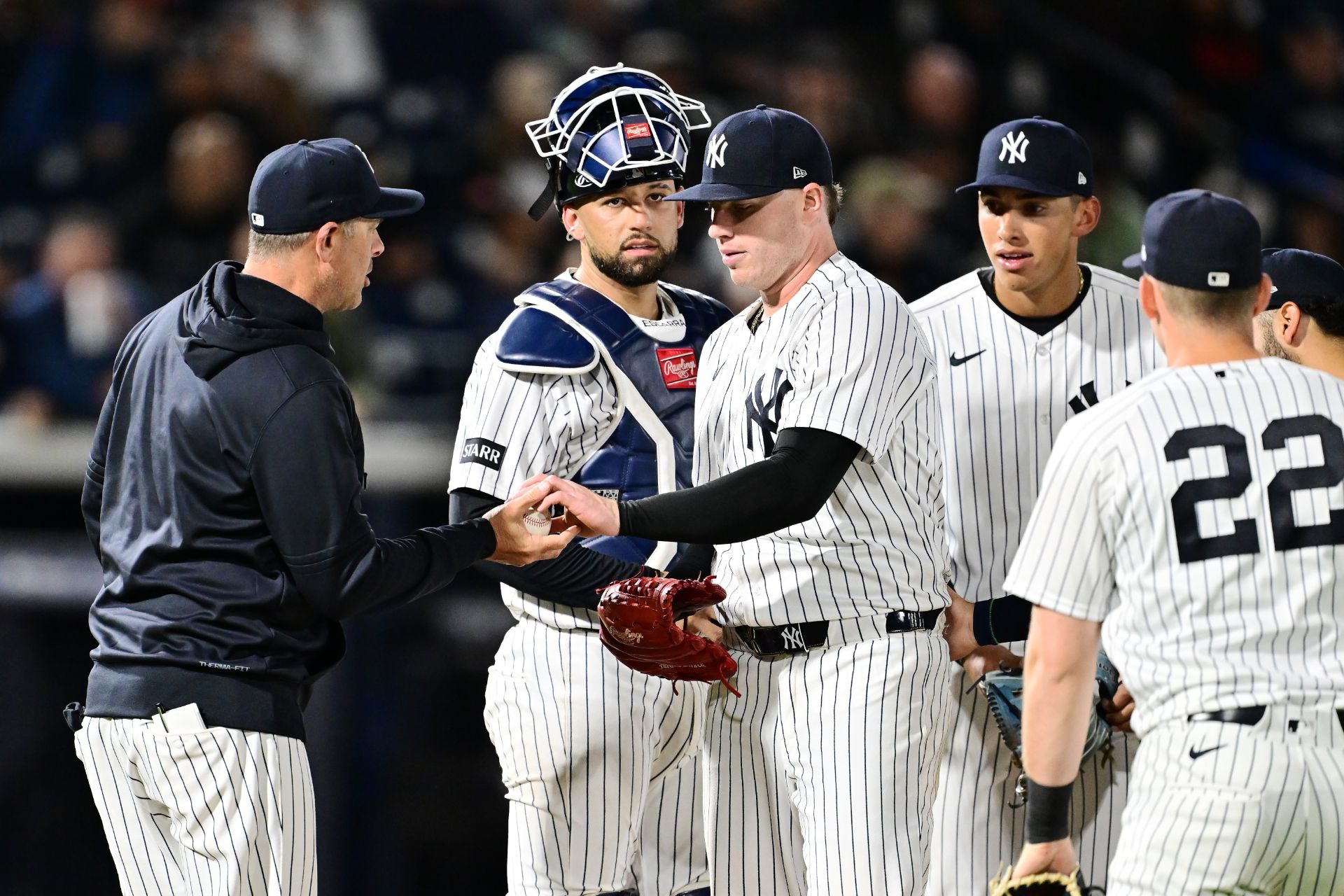
In what he later called his fondest memory, Weathers entered a fourth-inning jam with two on and none out in Game 4 of the American League Division Series against the Rangers, striking out Juan Gonzalez and inducing Will Clark to ground into a double play. Then, in the deciding World Series Game 6 against the Braves, Weathers relieved Jimmy Key and was tasked with protecting a two-run lead in the sixth inning. He struck out Javy López to help address the threat. “My dad just talks about how loud Yankee Stadium was,” Ryan Weathers said, “and how much fun it was being part of a World Series.” Yankees manager Aaron Boone shared a clubhouse with David Weathers as members of the Reds. “If Ryan is half the teammate his dad was, we’ll be in good shape,” Boone said. “He’s got a big arm, a lot of talent and he’s really athletic. I think he has only really scratched the surface of what he can do at the big league level.” |
Ryan Weathers, who was traded from the Marlins to the Yankees in January, jokes that he’s the only person in Loretto, Tenn., whose family possesses a key to New York City. Now he’s getting to experience a bit of that team’s magic up close, including a series of conversations with Pettitte, who recently attended camp as a guest instructor. “It’s so cool, all the guys that come back around here,” Weathers said. “You don’t get that anywhere else. Pettitte helped me a lot with my thought process. He’s like, ‘It’s OK to pull your foot off the throttle.’ He’s helping me learn how to pitch. “When you’re out there on the mound, you’re on an island. You’ve got to be able to think your way through. I’d be dumb not to take advice from a guy that’s done it at the pinnacle for as long as he did.” That advice resonates for Weathers, for whom pitching in pinstripes is now part of the family business. “My dad told me, ‘Have fun. There’s no place like playing in New York,’” he said. “You’re either going to throw the ball well or you don’t, but you can’t worry about it. You’ve got to be yourself and do what you do. My focus is on strike one and getting ahead of batters. If I do that, it’s going to be a good year.” |
|
|
MLB MORNING LINEUP PODCAST |
|
|
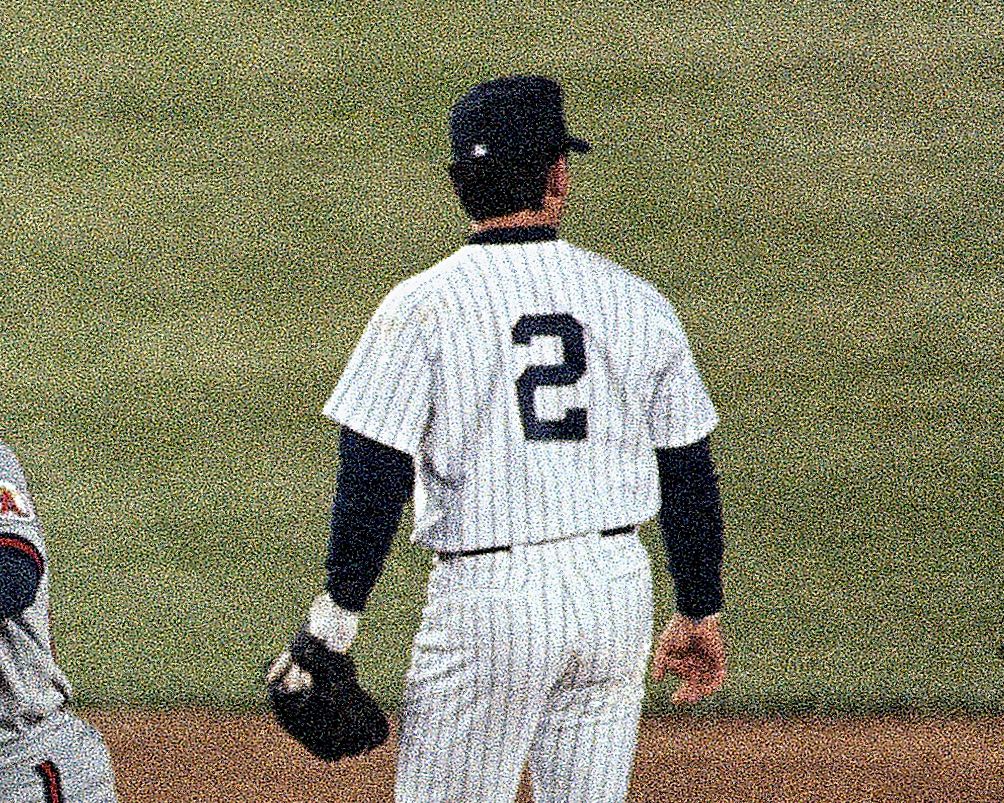
Who was the last Yankees player to wear No. 2 before Derek Jeter? A. Kevin Elster
B. Mike Gallego C. Tony Fernandez D. Pat Kelly |
|
|
THIS WEEK IN YANKEES HISTORY |
|
|
Imagine attending a Yankees Spring Training game in … Bermuda? It happened this week in 1913, when manager Frank Chance’s club set up camp on a converted cricket field in Hamilton, Bermuda, becoming one of the first Major League clubs to hold Spring Training outside the continental United States. Still known as the Highlanders (the name change wouldn’t occur until later that season), the Yanks played exhibitions against the Jersey City Skeeters. Though seasickness was an issue, the weather was pleasant, and players rode bicycles to and from workouts. But the Yankees were underwhelming that season, losing 94 games. Camp was held in Houston the next spring, with stops in Savannah, Ga., Macon, Ga., and Jacksonville, Fla. to follow. They found a more permanent spring home in 1925, settling in St. Petersburg, Fla. |
|
|
B. Mike Gallego Gallego wore No. 2 as the Yankees’ shortstop from 1992-94, then signed as a free agent with the Athletics before the 1995 season. Jeter didn’t select No. 2; it was assigned to him. "I assume that was because it was the smallest jersey at the time," Jeter once said. "It was probably the only one that fit me." |
|
|
FORWARDED FROM A FRIEND? SUBSCRIBE NOW |
To subscribe to Yankees Beat, visit this page and mark "Yankees Beat" from our newsletter list. Make sure you're following the Yankees or that they're checked as your favorite team. |
|
|
© 2026 MLB Advanced Media, L.P. MLB trademarks and copyrights are used with permission of Major League Baseball. Visit MLB.com. Any other marks used herein are trademarks of their respective owners.
Please review our Privacy Policy.
You (mlb-newsletters@mlb.com) received this message because you registered to receive commercial email messages or purchased a ticket from MLB.
Please add info@marketing.mlbemail.com to your address book to ensure our messages reach your inbox. If you no longer wish to receive commercial email messages from MLB.com, please unsubscribe or log in and manage your email subscriptions.
Postal Address: MLB.com, c/o MLB Advanced Media, L.P., 1271 Avenue of the Americas, New York, NY 10020.
|
|
|
|